


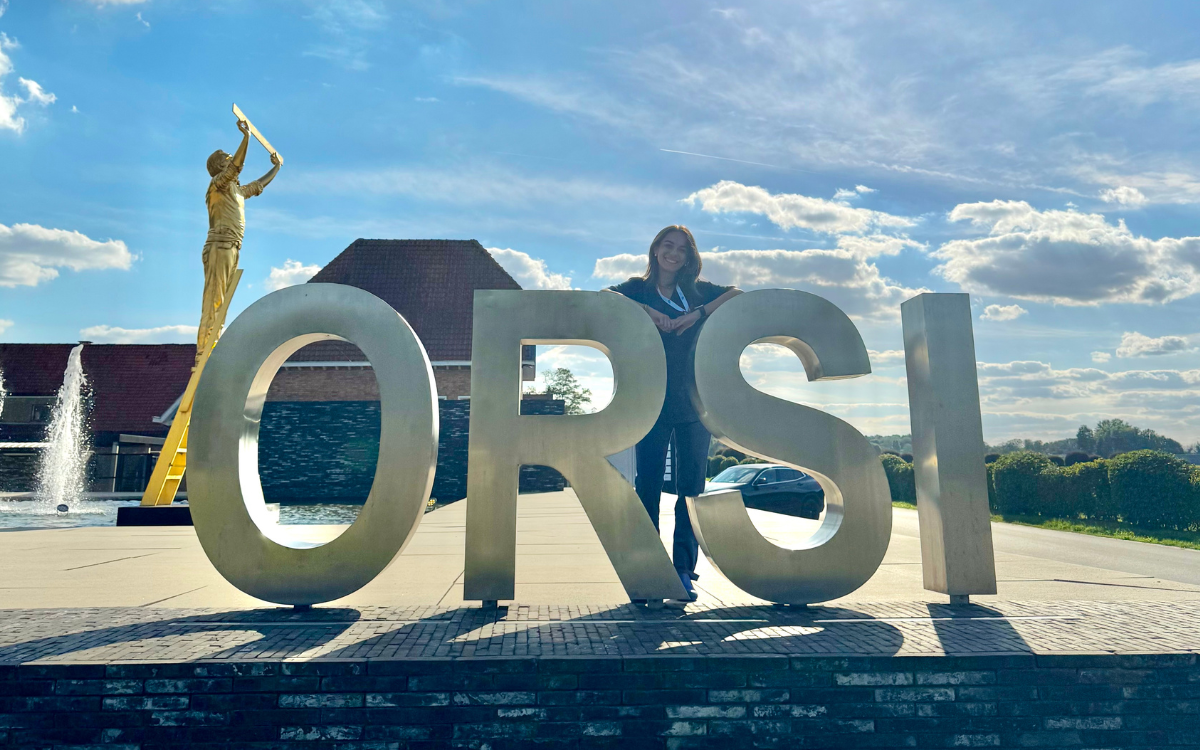
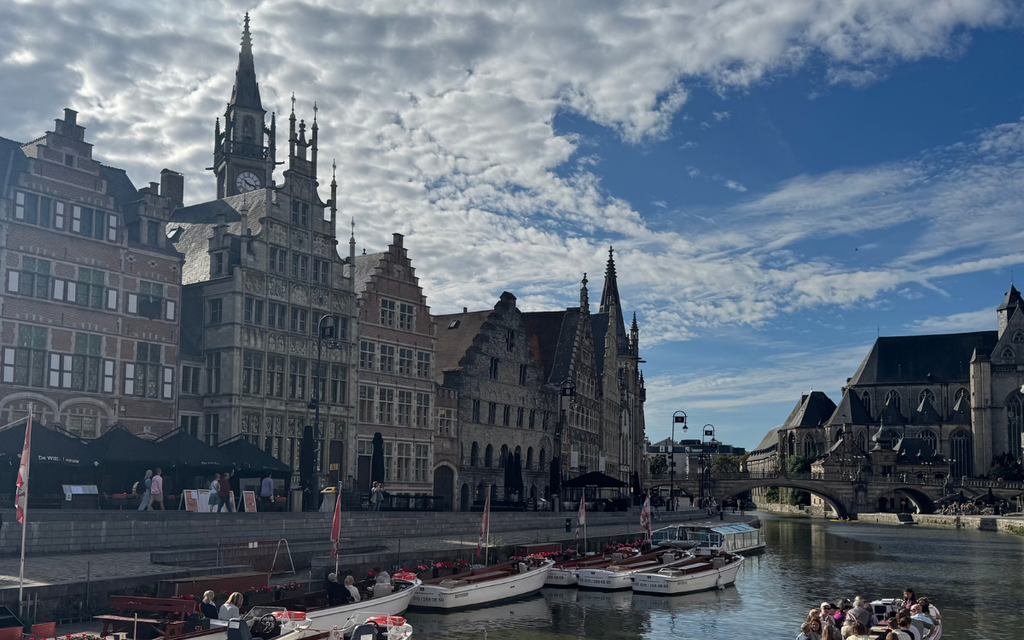
Three weeks in Ghent, Belgium, to explore robotic surgery, gain first-hand experience with the latest technologies applied to clinical practice and take her first steps into the world of Research: this is the experience of Camilla Dotta – sixth-year Medicine and Surgery student at Humanitas University, who had the opportunity to take part in a Research Travel Grant in September 2026.
Exploring robotic surgery in Ghent
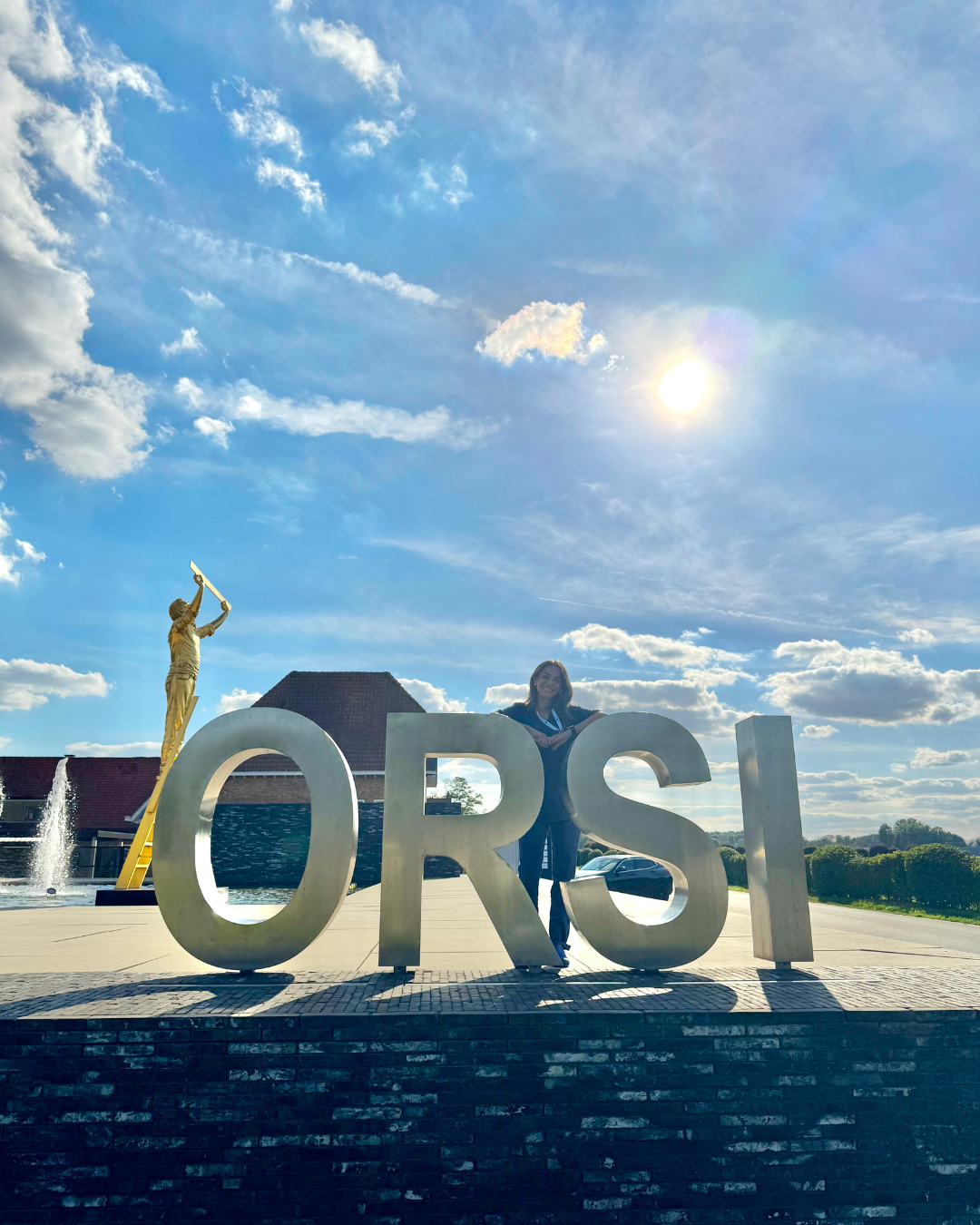
Camilla’s choice of Ghent was no coincidence. The city is home to ORSI Academy, one of the leading international centres for robotic surgery training and research, which collaborates with several industry partners and scientific societies.
During her stay, Camilla also had the opportunity to visit Azorg Hospital, where she observed urological procedures performed using different robotic platforms. She first learned about this opportunity through the Urology Unit at Humanitas Research Hospital and, in particular, thanks to Dr. Paciotti, who encouraged her to pursue this experience.
Her main goal was to deepen her knowledge of the robotic technologies currently available, understand how they are integrated into clinical practice and gain insight into surgical research. At the same time, she wanted to challenge herself, develop some basic skills in using surgical robots and gain a better understanding of the potential these technologies offer.
Hands-on training and technological innovation
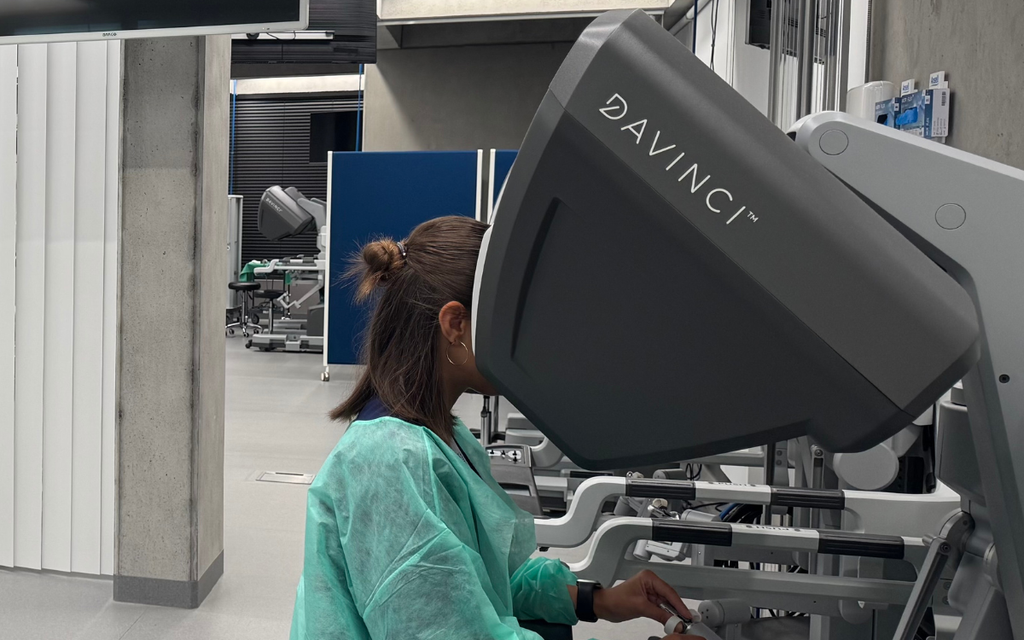
During her three weeks at ORSI Academy, Camilla took part in practical training activities, working on some of the fundamental skills required in robotic surgery, including skin and vascular dissection and the performance of vesicourethral anastomoses.
She also trained on the Da Vinci simulator, completing targeted exercises designed to improve the dexterity and coordination required to operate a surgical robot. Her training progressed to simulations of more complex surgical procedures, including appendectomy, hysterectomy and prostatectomy.
One of the most stimulating aspects of the experience was the opportunity to observe urological procedures performed using different robotic platforms, including Da Vinci, Toumai and Hugo. Having access to different technologies within the same setting was a significant added value, as it is generally difficult to find a single hospital equipped with multiple robotic systems.
This opportunity allowed her to compare their features, observe different surgical approaches and gain first-hand insight into some of the latest developments in clinical and technological innovation. Camilla also had the chance to meet and exchange ideas with Medtronic researchers involved in the development and application of the Hugo platform, further exploring the connection between technological innovation, research and medical practice.
Taking her first steps into clinical research
Alongside practical training and clinical activities, Camilla began a research project that she is still pursuing in collaboration with the Mantyx team.
Although she has not yet had the opportunity to present the project’s findings at a conference or in a formal scientific discussion, this work represents an important opportunity for growth and a first step towards becoming more actively involved in clinical research.
It has allowed her to become familiar with the scientific method, develop a more critical approach to problem-solving and gain a better understanding of the process that takes an initial research idea through to its potential application in medicine.
The experience also gave her the opportunity to observe the Belgian hospital environment first-hand, from the dynamics of operating rooms to clinical approaches that differed from those she was used to. This allowed her to broaden her perspective on patient management and healthcare organisation, recognising how exposure to different settings can contribute to the education of a future doctor.
The value of connections in an international environment
Beyond the educational and scientific aspects, the people she met played a fundamental role in Camilla’s experience. During her stay in Ghent, she worked and exchanged ideas with attending physicians, residents, researchers and professionals from different parts of the world.
Their willingness to help was one of the most meaningful surprises of her experience. From the very beginning, she felt welcomed and included, despite being in an unfamiliar environment and not yet knowing how things worked. In addition to guiding her in developing technical skills, the people she met made her stay an equally valuable human experience, helping her discover the city and feel part of the group.
One of the main challenges was finding her place in an international setting, with organisational practices and habits that differed from those she was accustomed to. Language was also a potential obstacle at first, considering that Flemish is the language predominantly spoken in Ghent.
However, the international environment and the openness of the people she met helped her overcome these initial uncertainties, communicate with the team and actively take part in the activities.
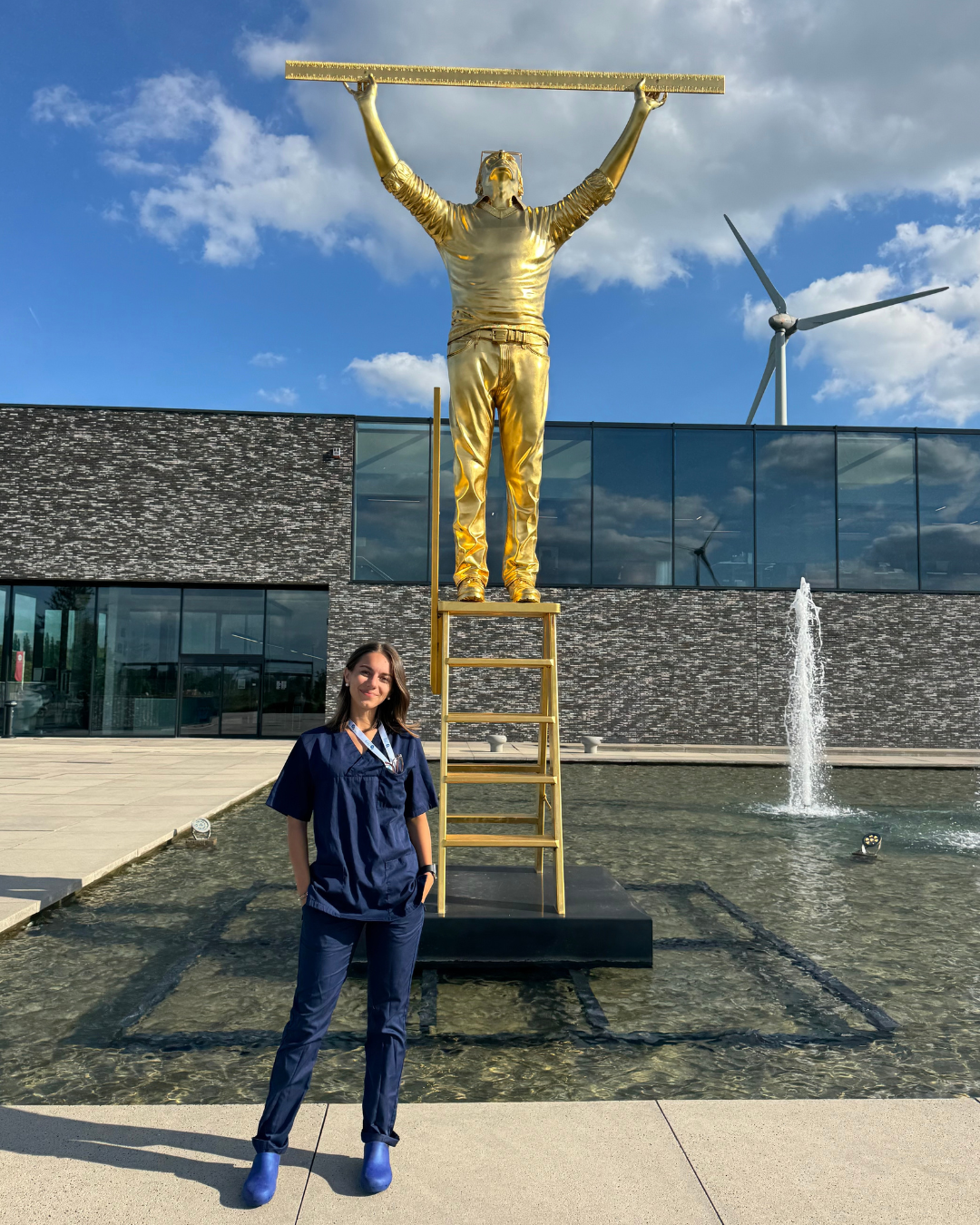
New perspectives for the future
Being part of a cutting-edge environment, where surgical training, research and technological innovation are closely interconnected, was particularly inspiring. The experience helped her better understand the opportunities offered by robotic surgery and reflect on how Artificial Intelligence could contribute to transforming clinical practice and opening up new avenues for research.
Alongside basic technical skills, Camilla believes she also developed key transferable skills for her future career, including teamwork, critical thinking, adaptability and a greater openness to interdisciplinary and international collaboration. These skills are essential not only for those wishing to pursue a career in surgery, but also for anyone who wants to contribute to scientific research and the education of future generations of doctors.
The experience showed her how rewarding it can be to work in an environment where different disciplines come together and collaborate to tackle new challenges.
Her advice to students: “Give it a go!”
Among the memories Camilla will treasure most is the combination of educational opportunities and the kindness of the people she met. Being able to gain hands-on experience with different robotic technologies, observe their clinical applications and interact with professionals from all over the world made this experience truly unique. At the same time, the warm welcome she received made her realise just how important the human element is in making an educational experience truly enriching.
Her advice to any Humanitas University student considering applying for a Travel Grant is simple and straightforward: give it a go! There is no need to be afraid of experiencing different environments, stepping outside your comfort zone or asking for advice from those with more experience. Similarly, students should not be discouraged by the possibility of travelling to a country whose language they do not speak fluently; curiosity, motivation and a willingness to challenge yourself can make all the difference.
An international experience offers much more than new knowledge: it is also an opportunity to discover new interests, develop skills and gain a broader perspective on your future.


