
Open laboratories, experiments and encounters with researchers offered visitors of all ages the opportunity to discover Humanitas’ biomedical research through curiosity, enthusiasm and active participation.
Understanding the mechanisms that regulate life, investigating the causes of disease, identifying new possibilities for treatment: biomedical research is a journey built over time, through questions, discoveries and new challenges. Its value is defined not only by its results, but also by the path that makes them possible: the integration of different areas of expertise, the sharing of knowledge and the ability to look beyond what we already know.
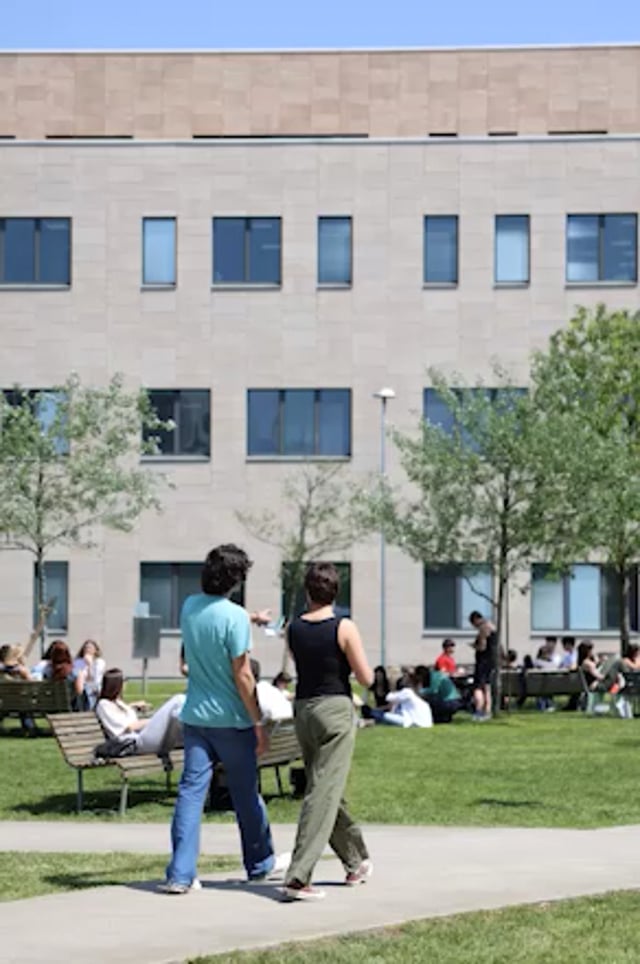
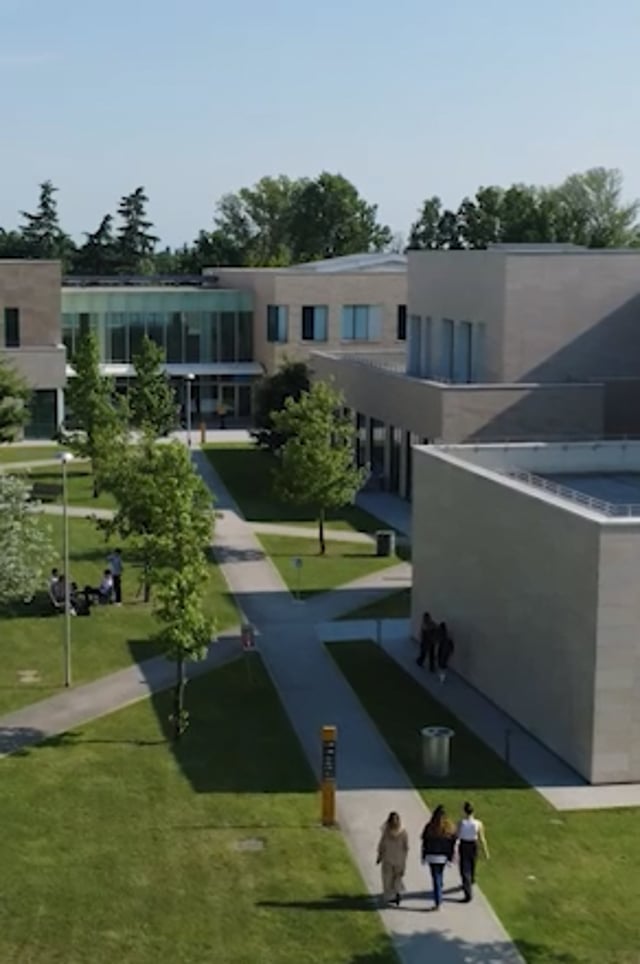
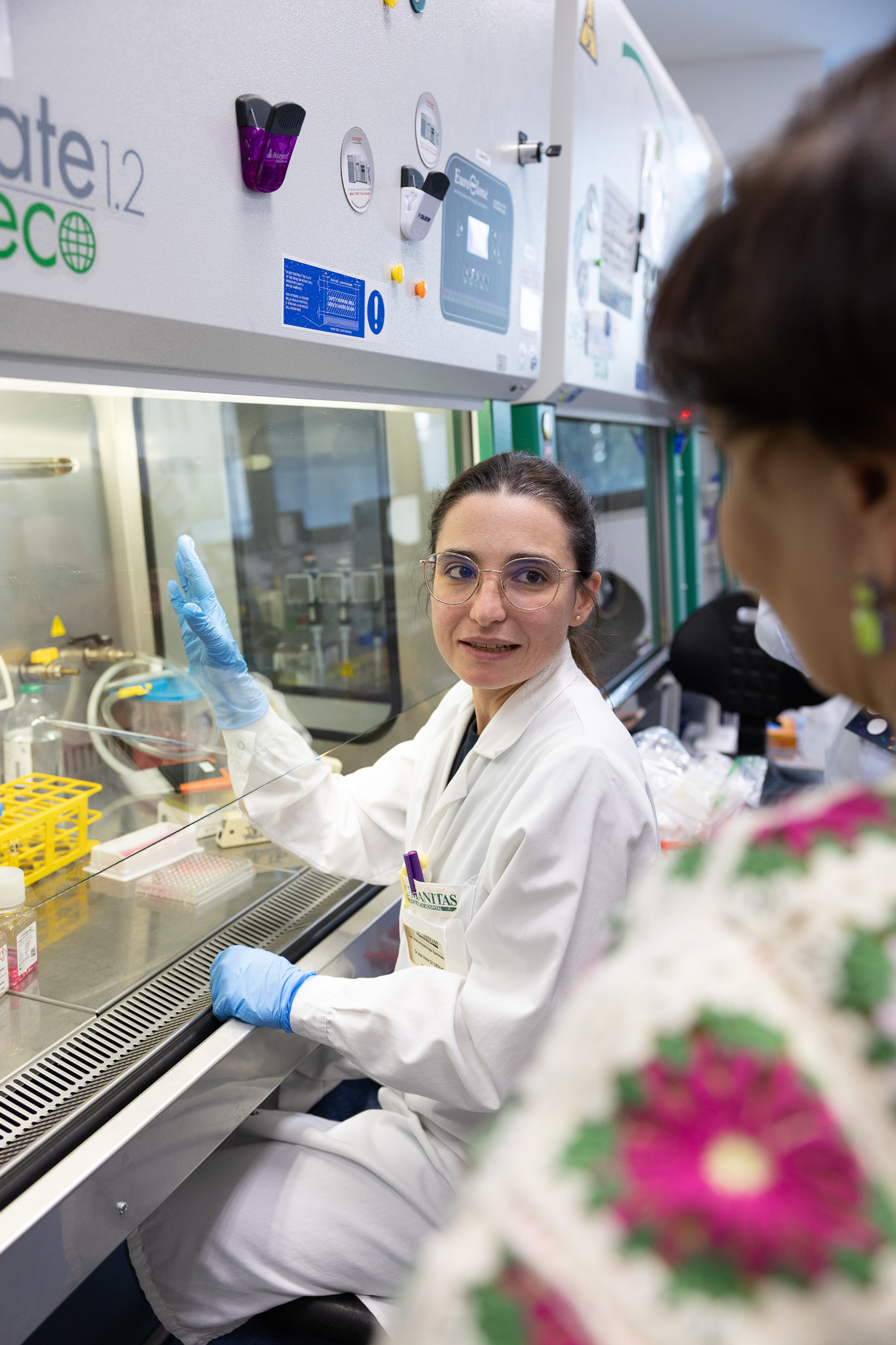
On Friday, 25th September, on the occasion of the European Researchers’ Night, this journey found a space to be explored and shared at the Humanitas University Campus. Research facilities opened their doors to the public, offering a glimpse into the spaces, activities and tools that are part of researchers’ everyday work, and giving children, families, adults and young people from the local community the opportunity to meet those who have chosen research as their profession.
Discovering Research
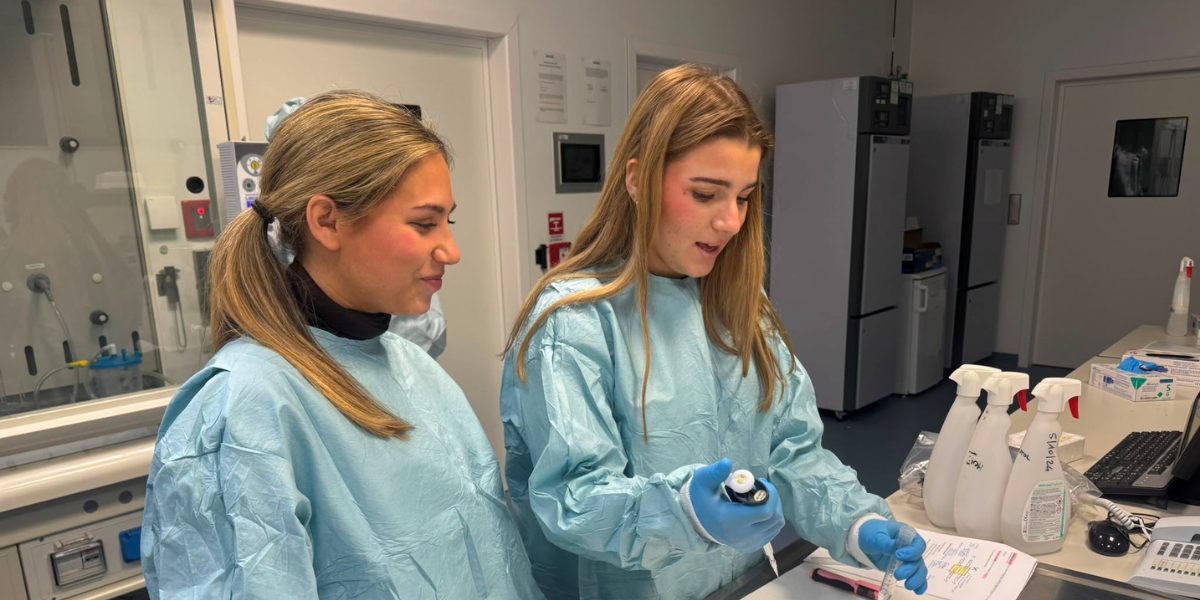
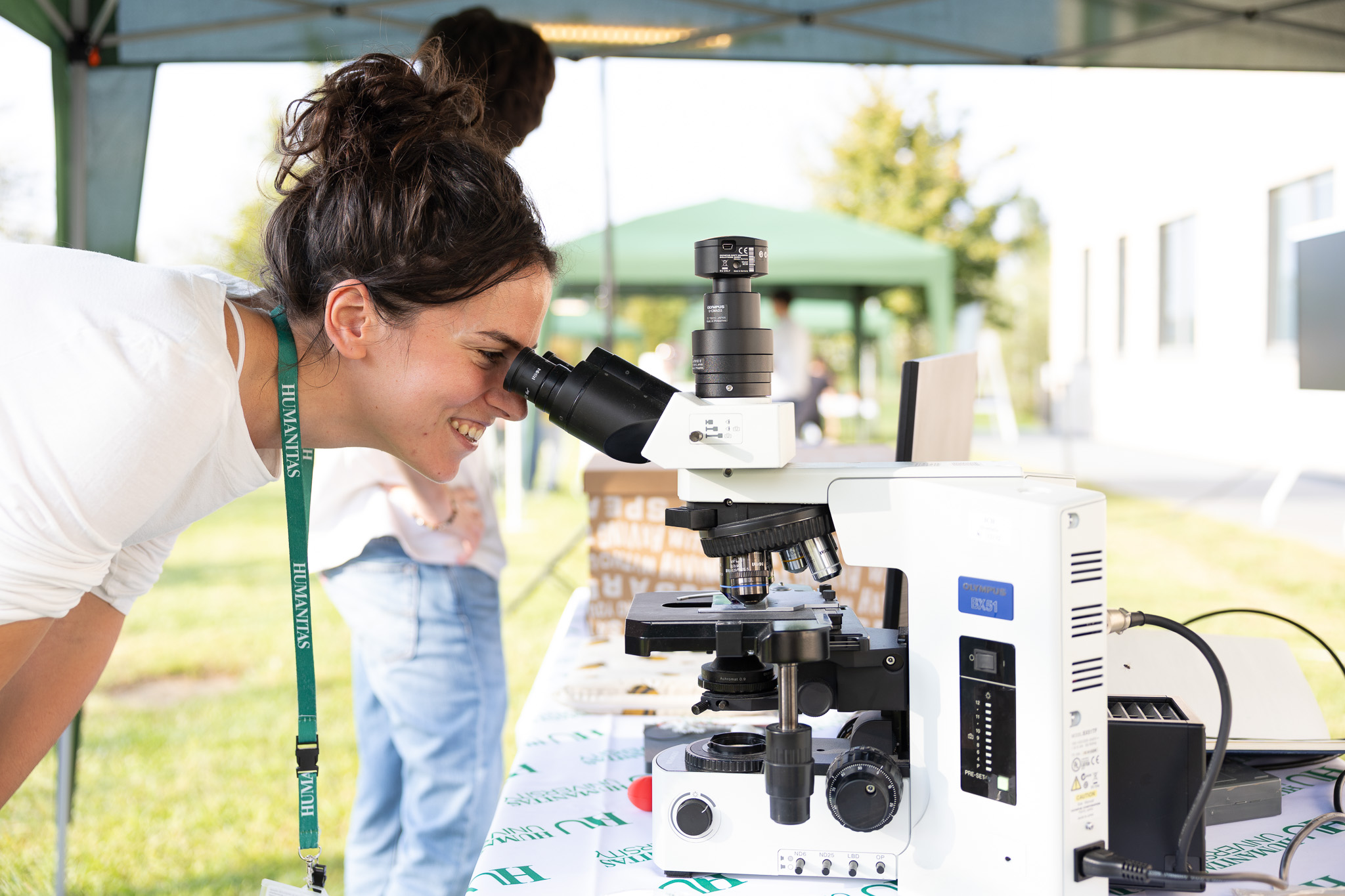
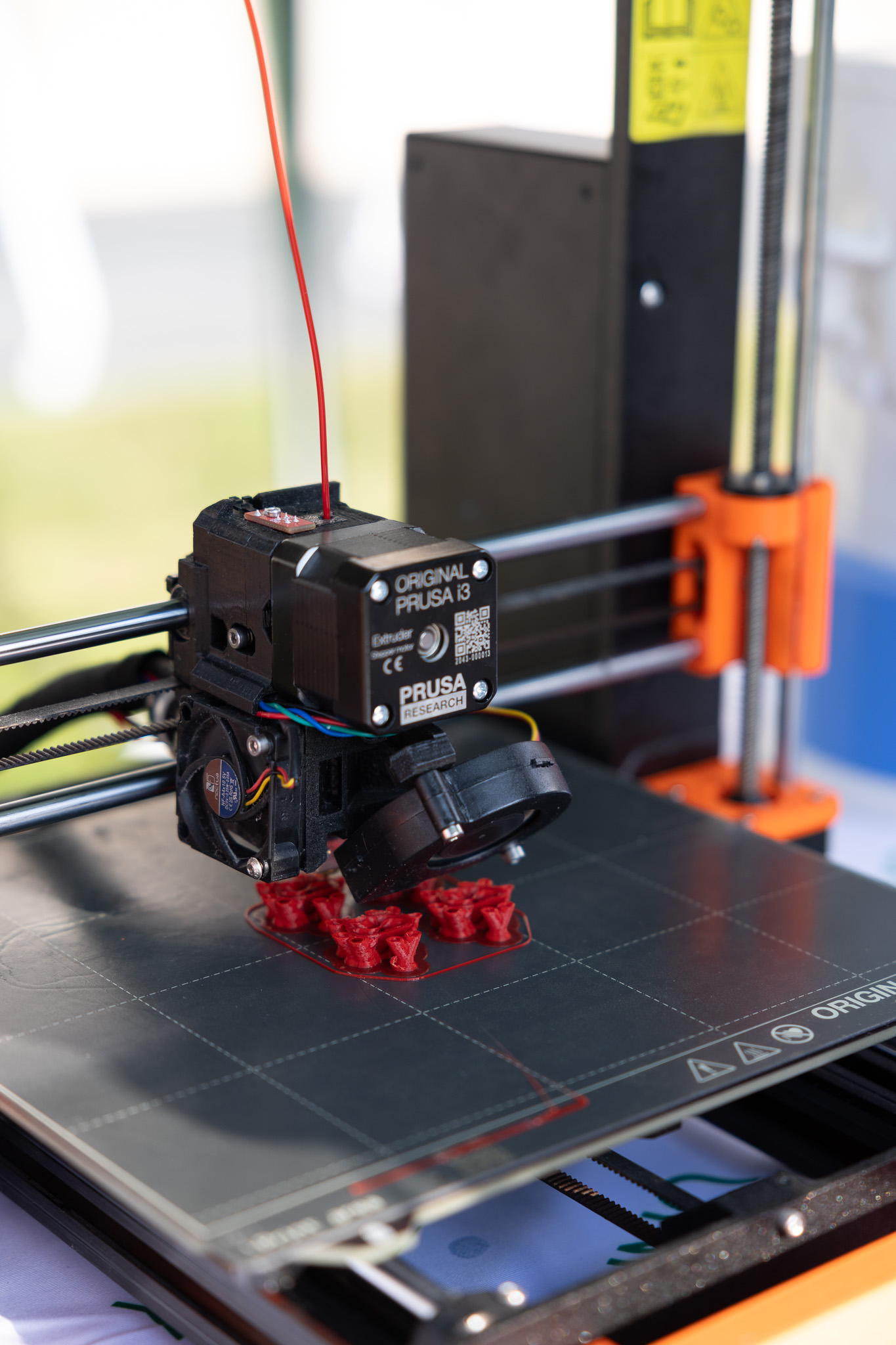
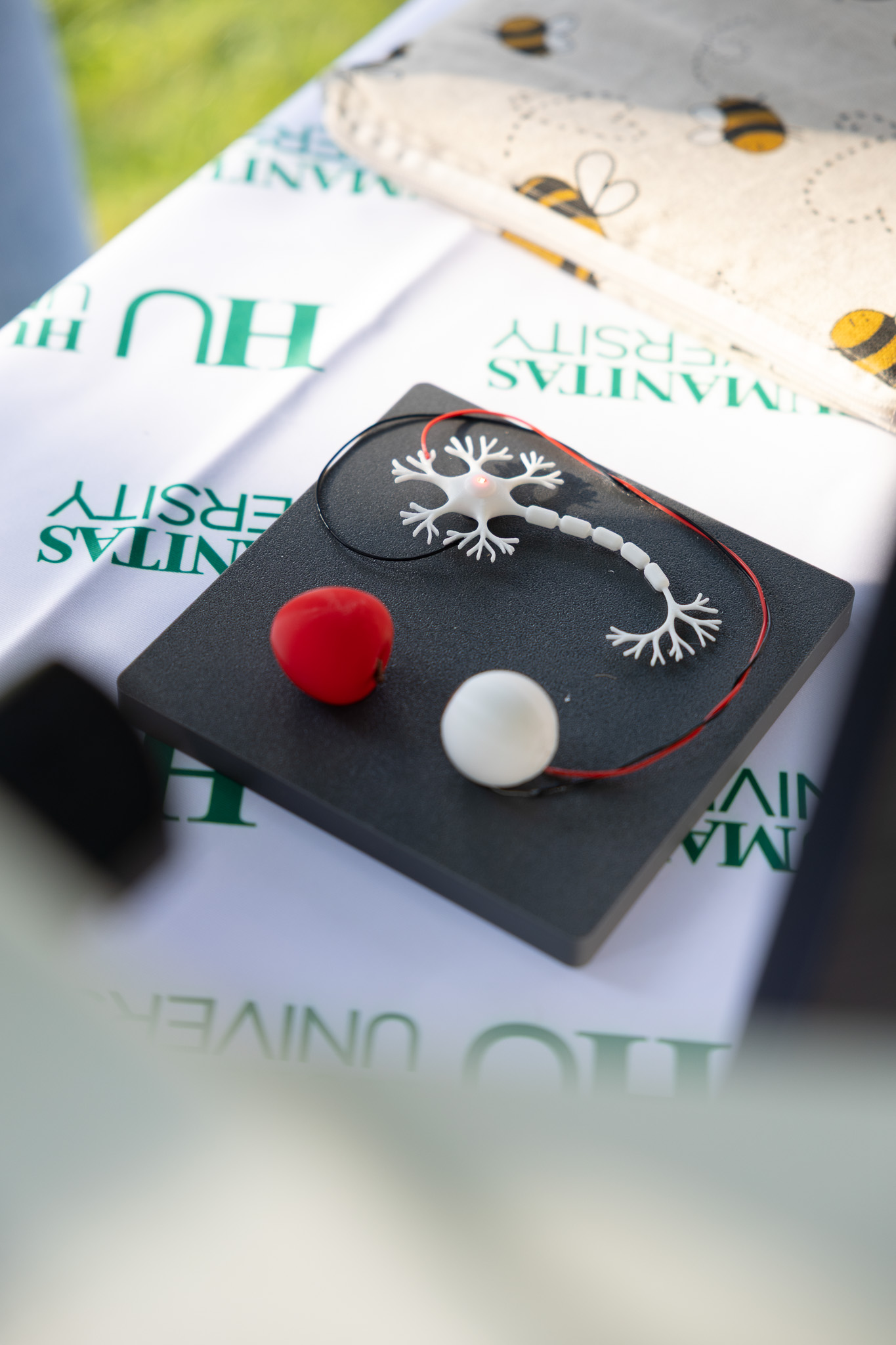
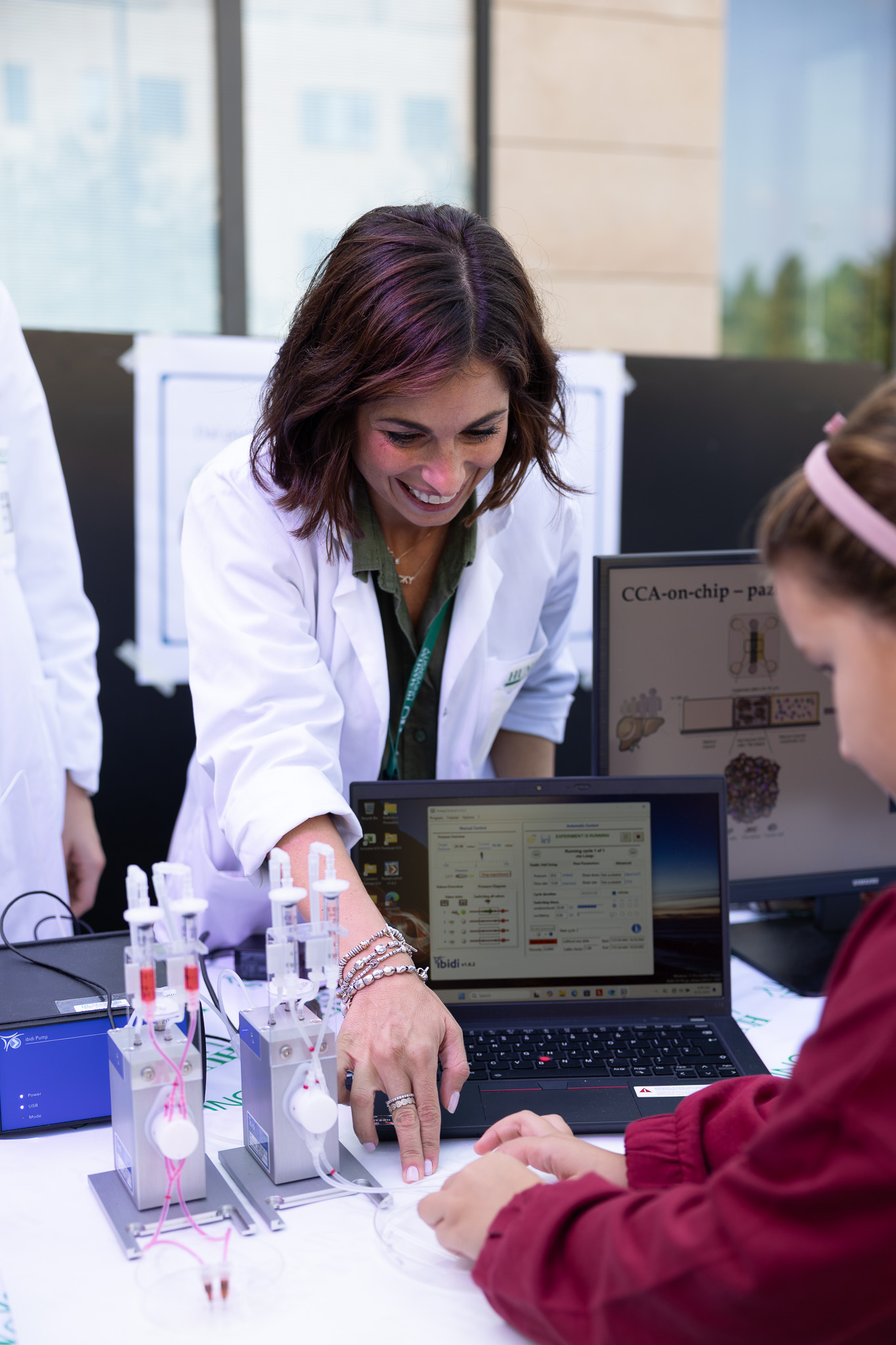
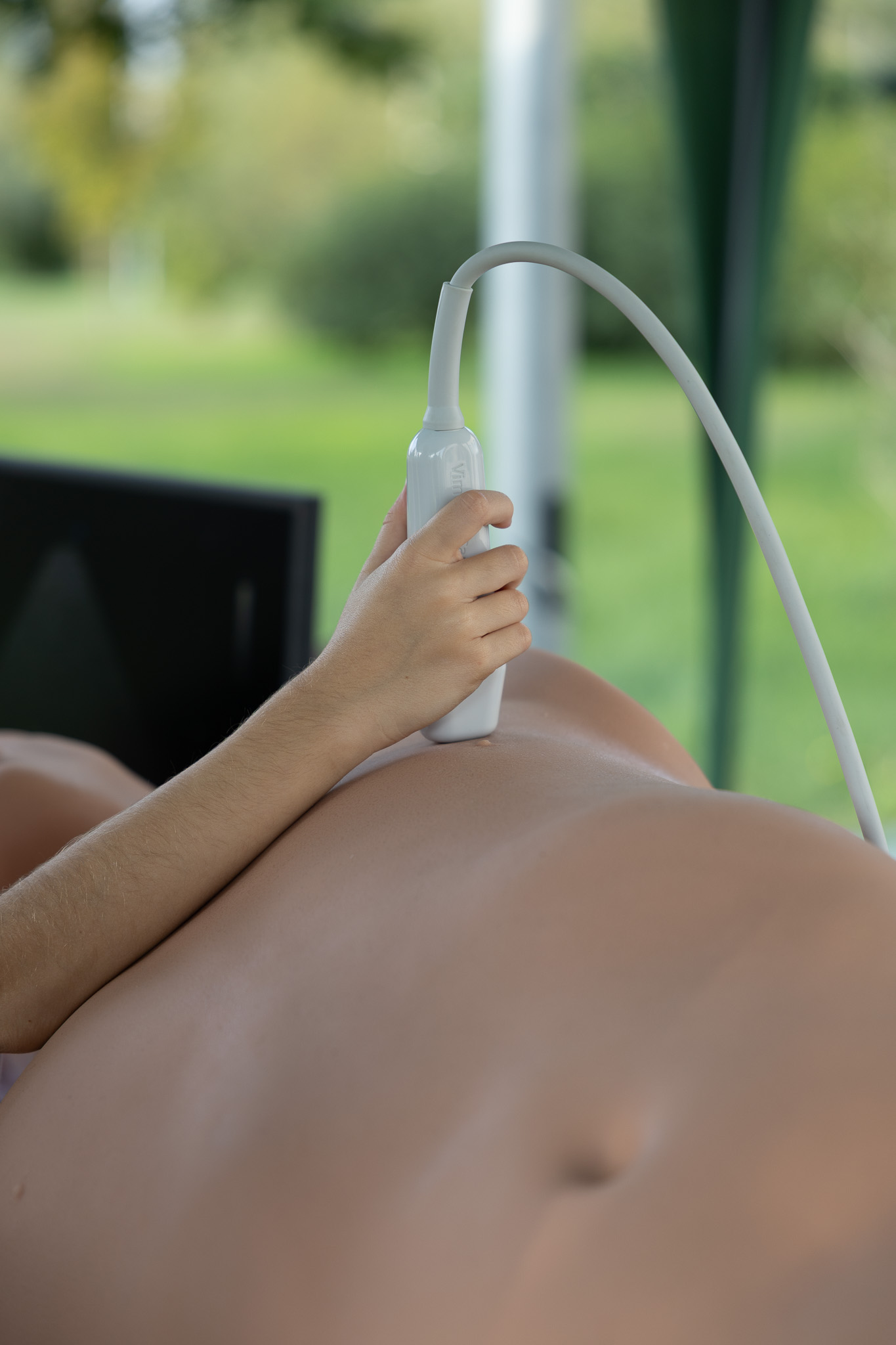
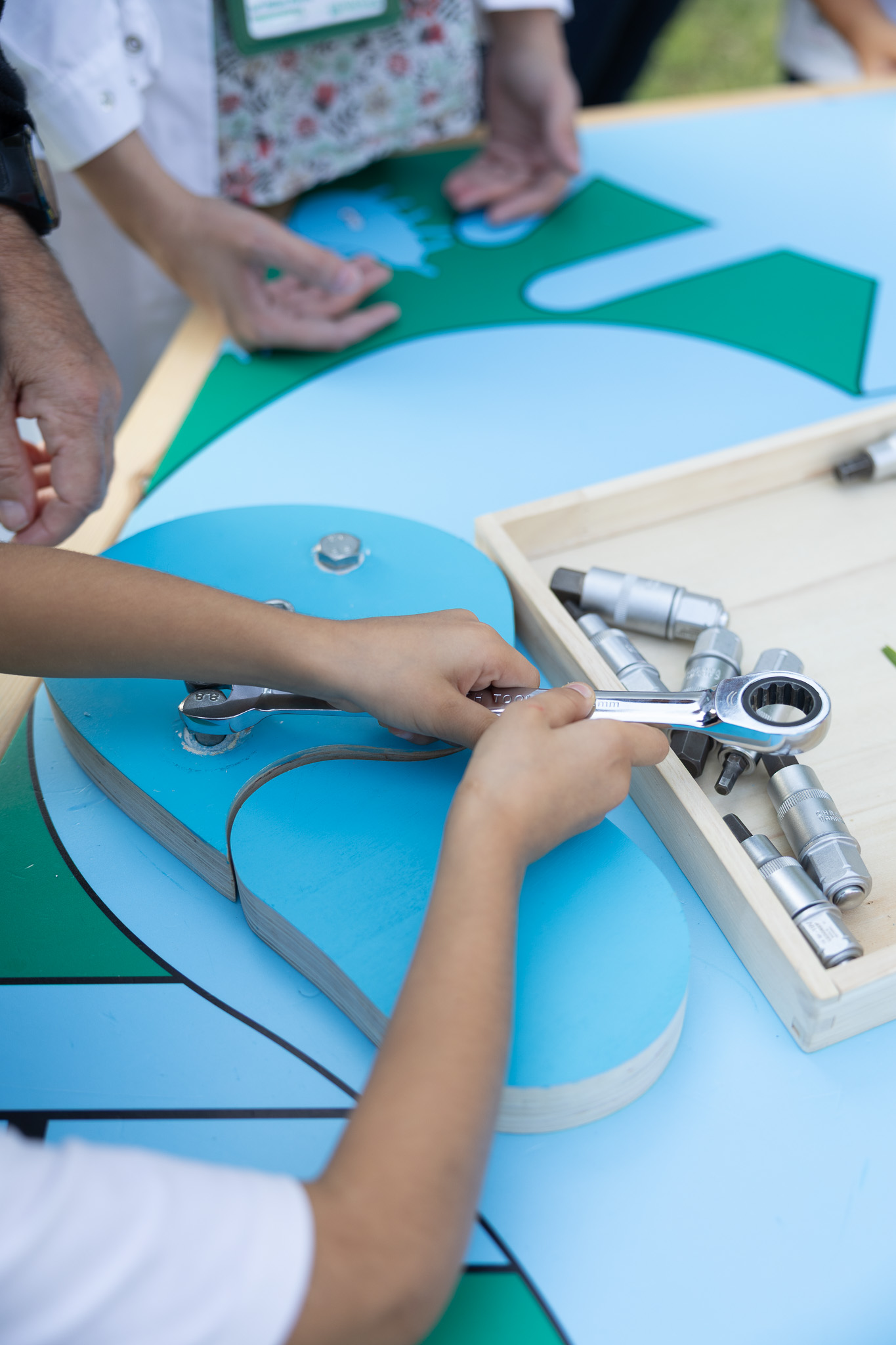
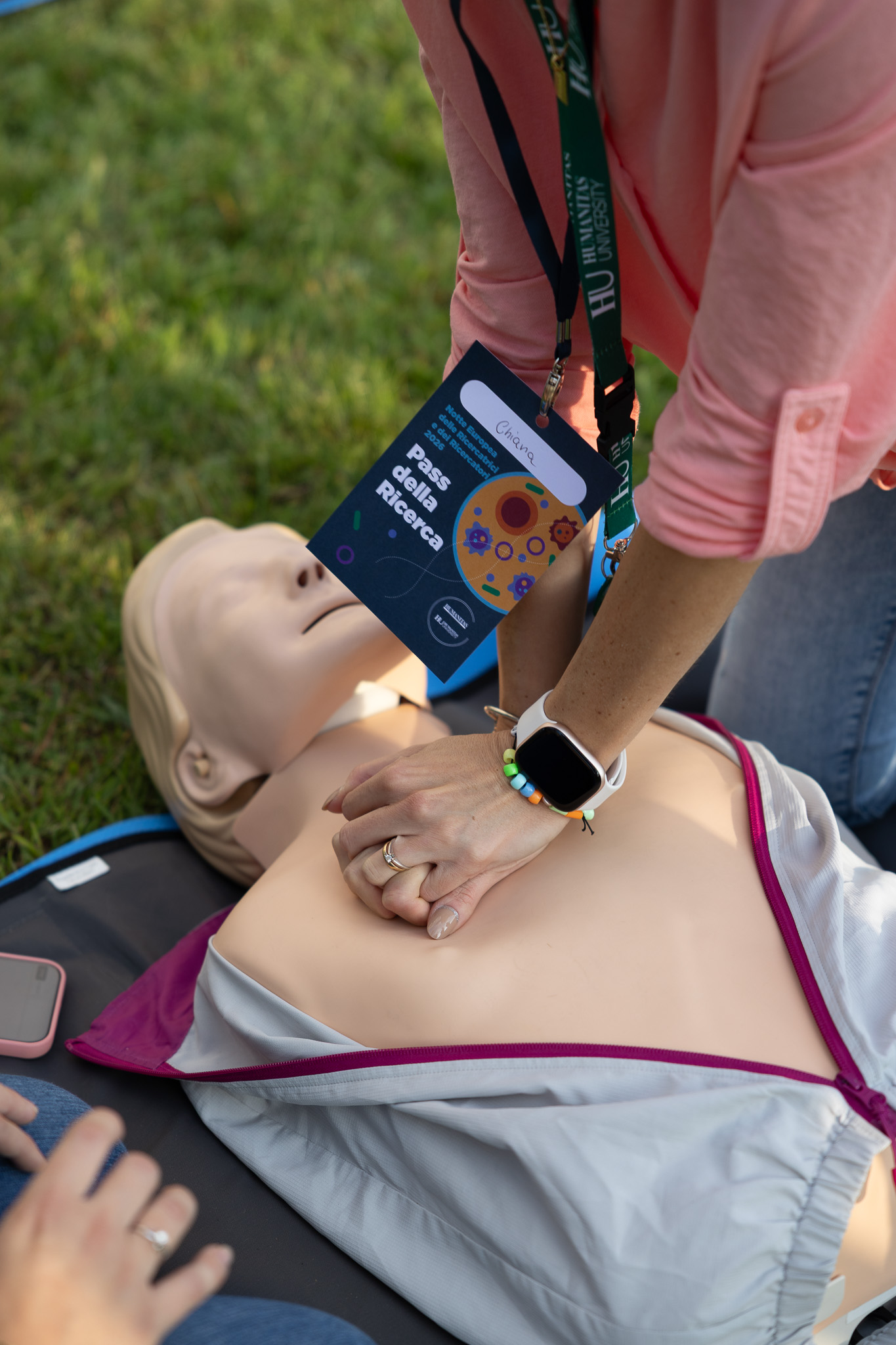
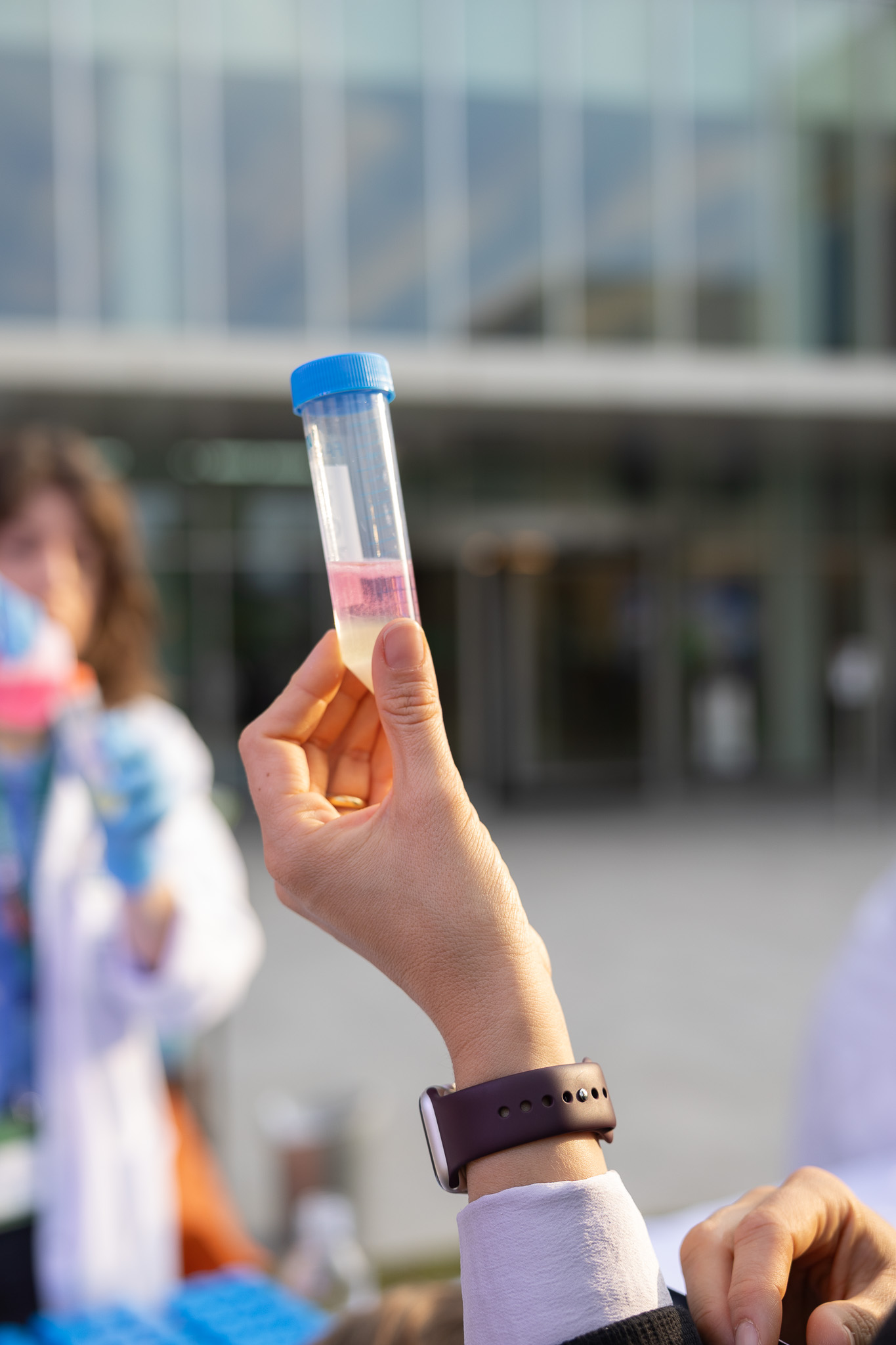
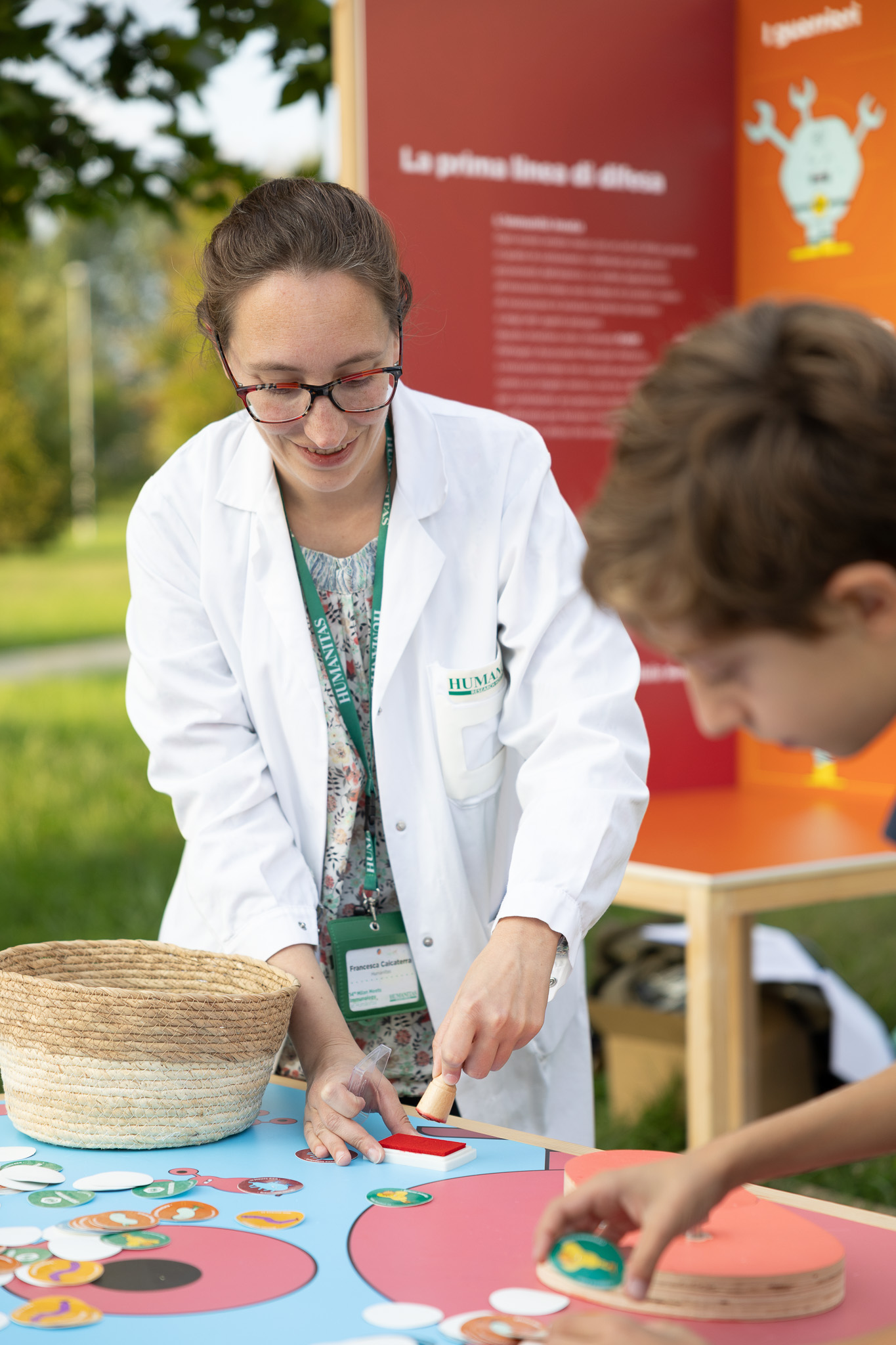
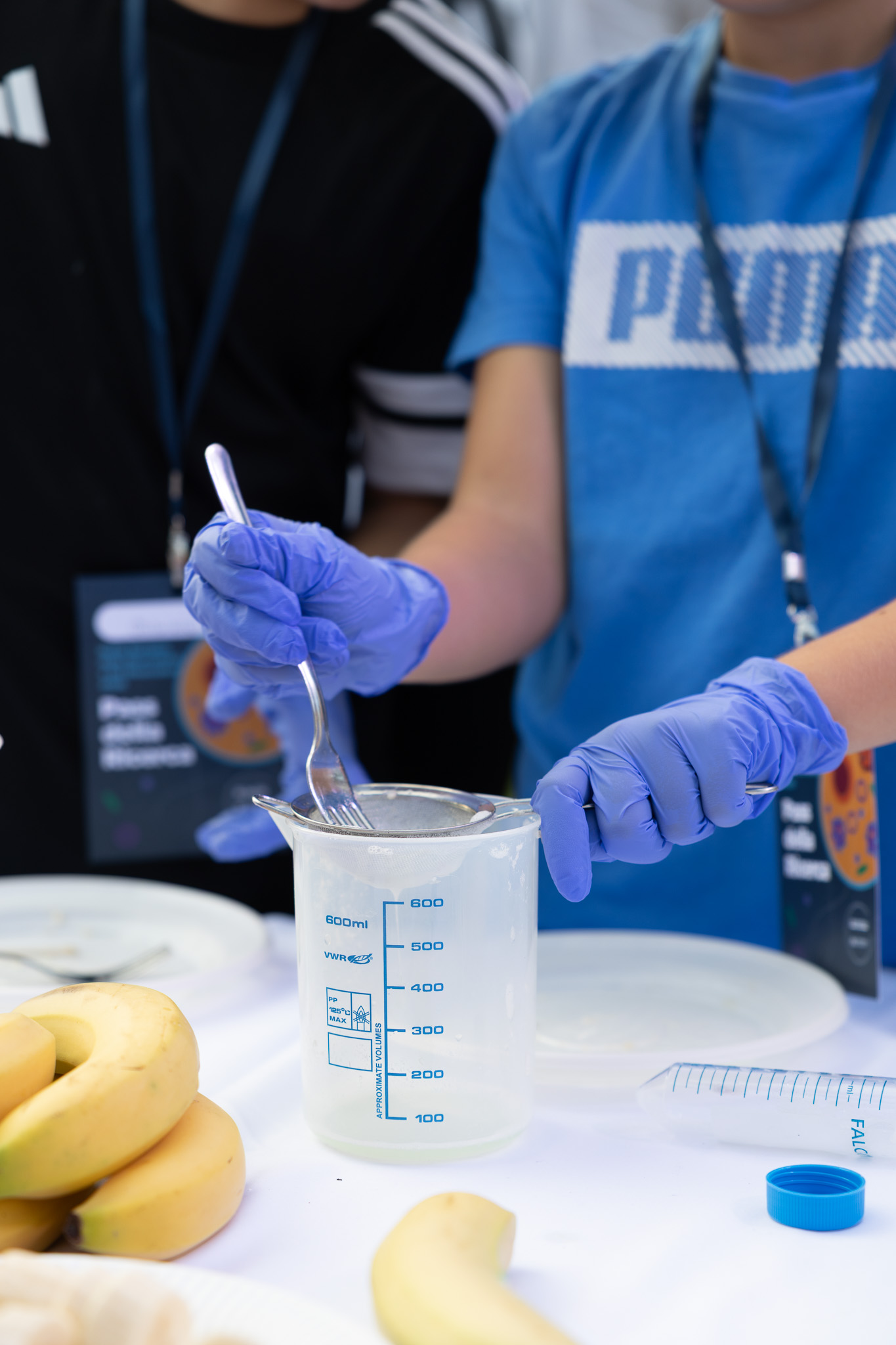
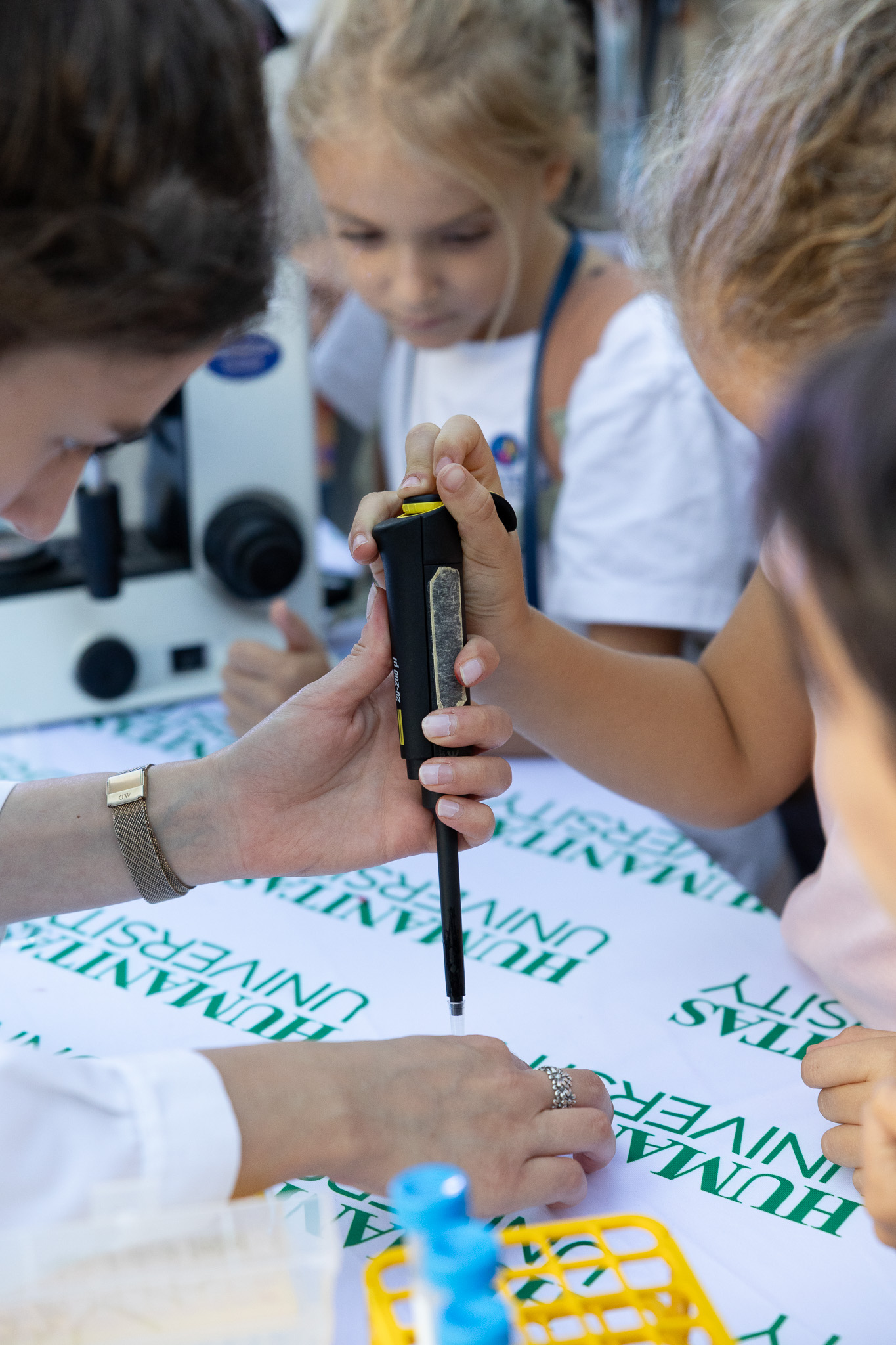
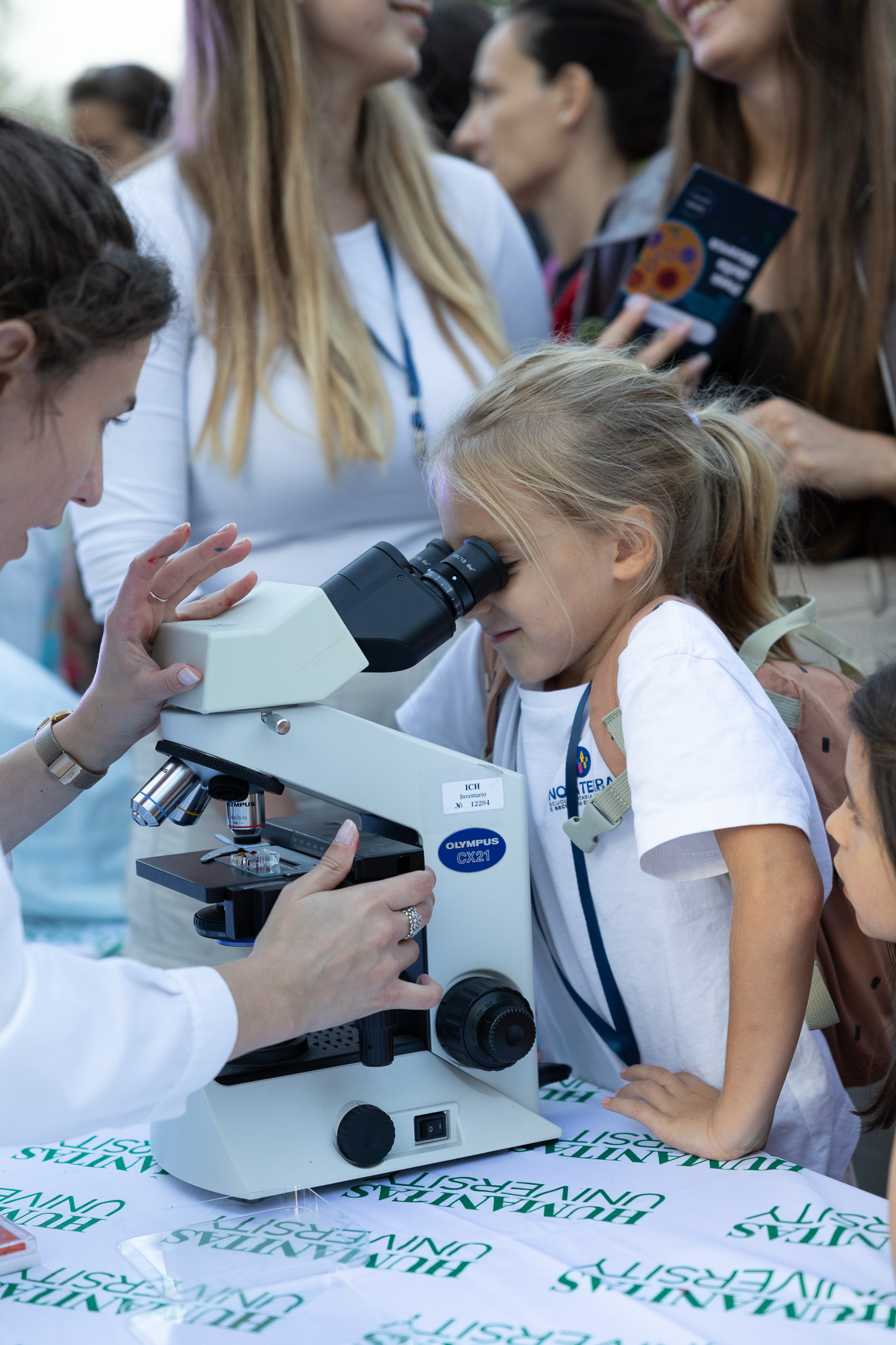
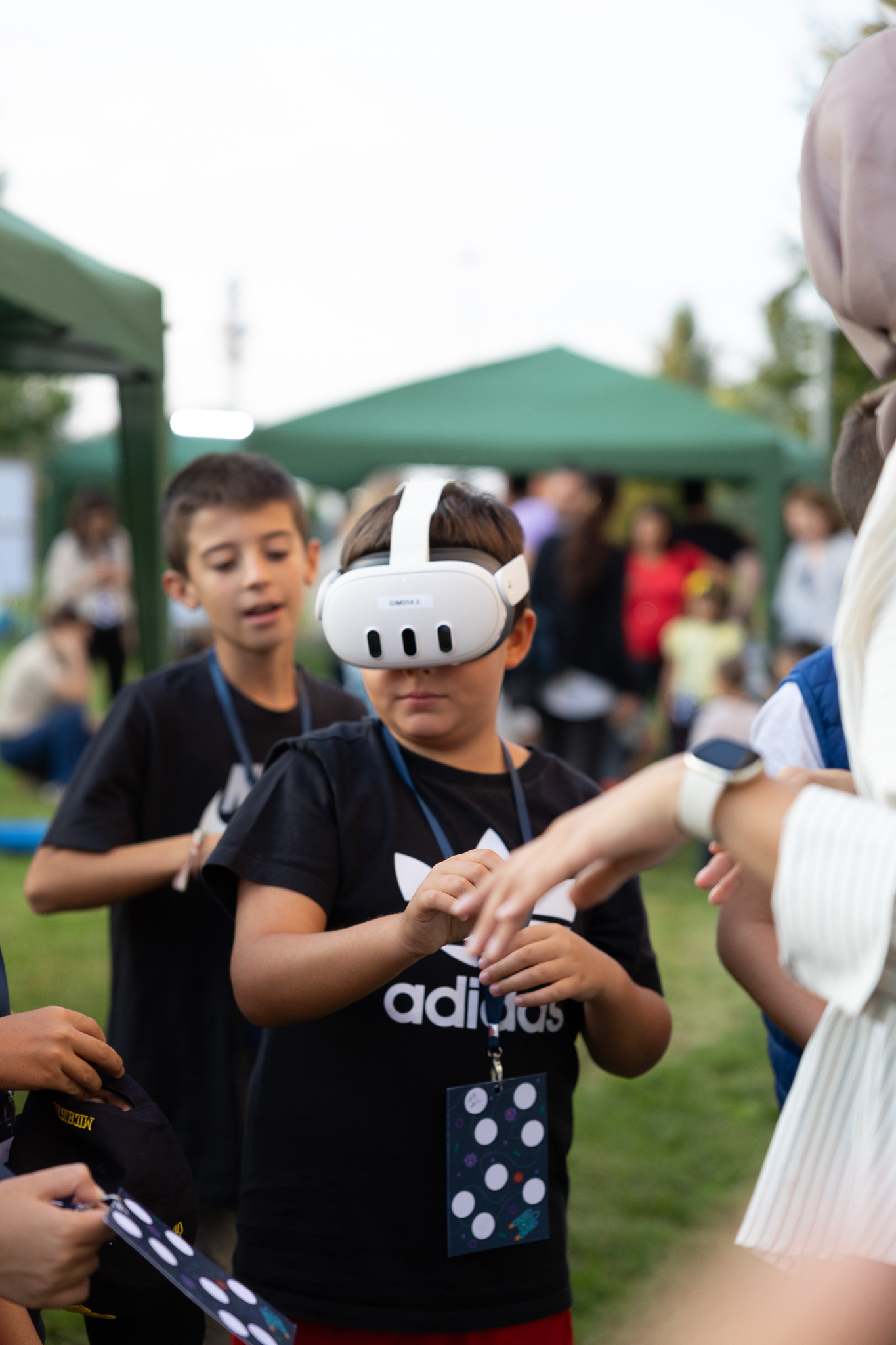
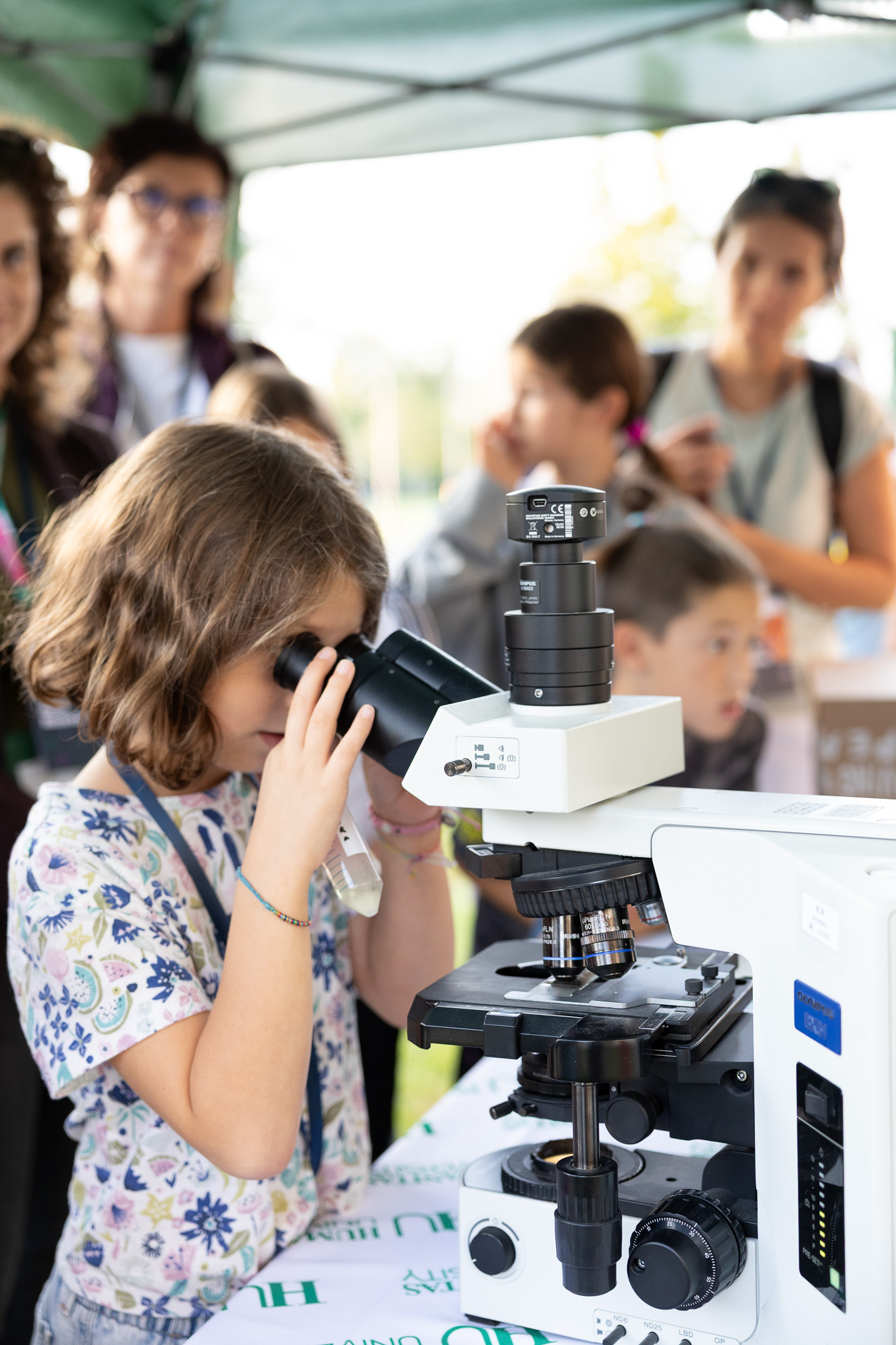
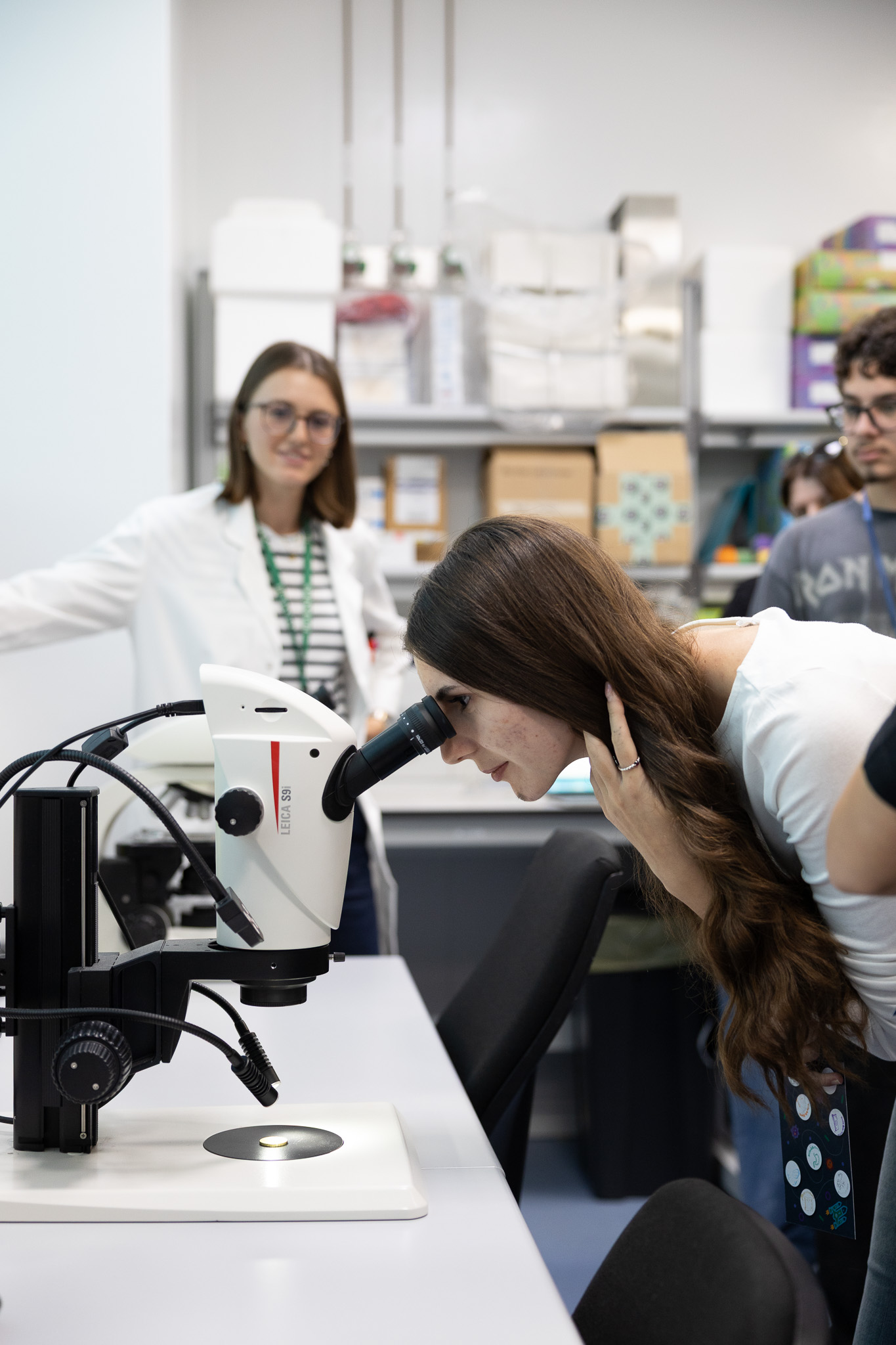
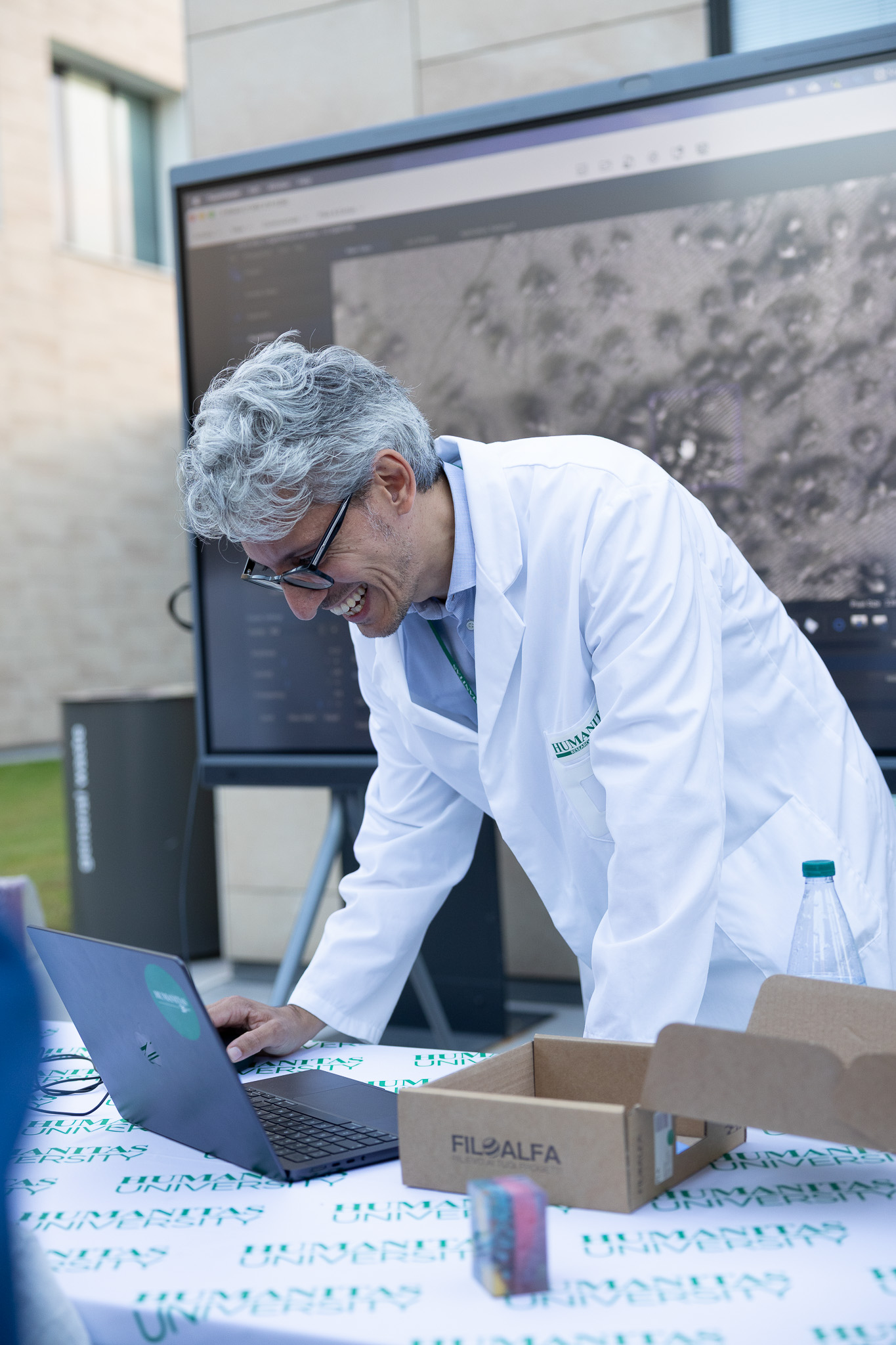
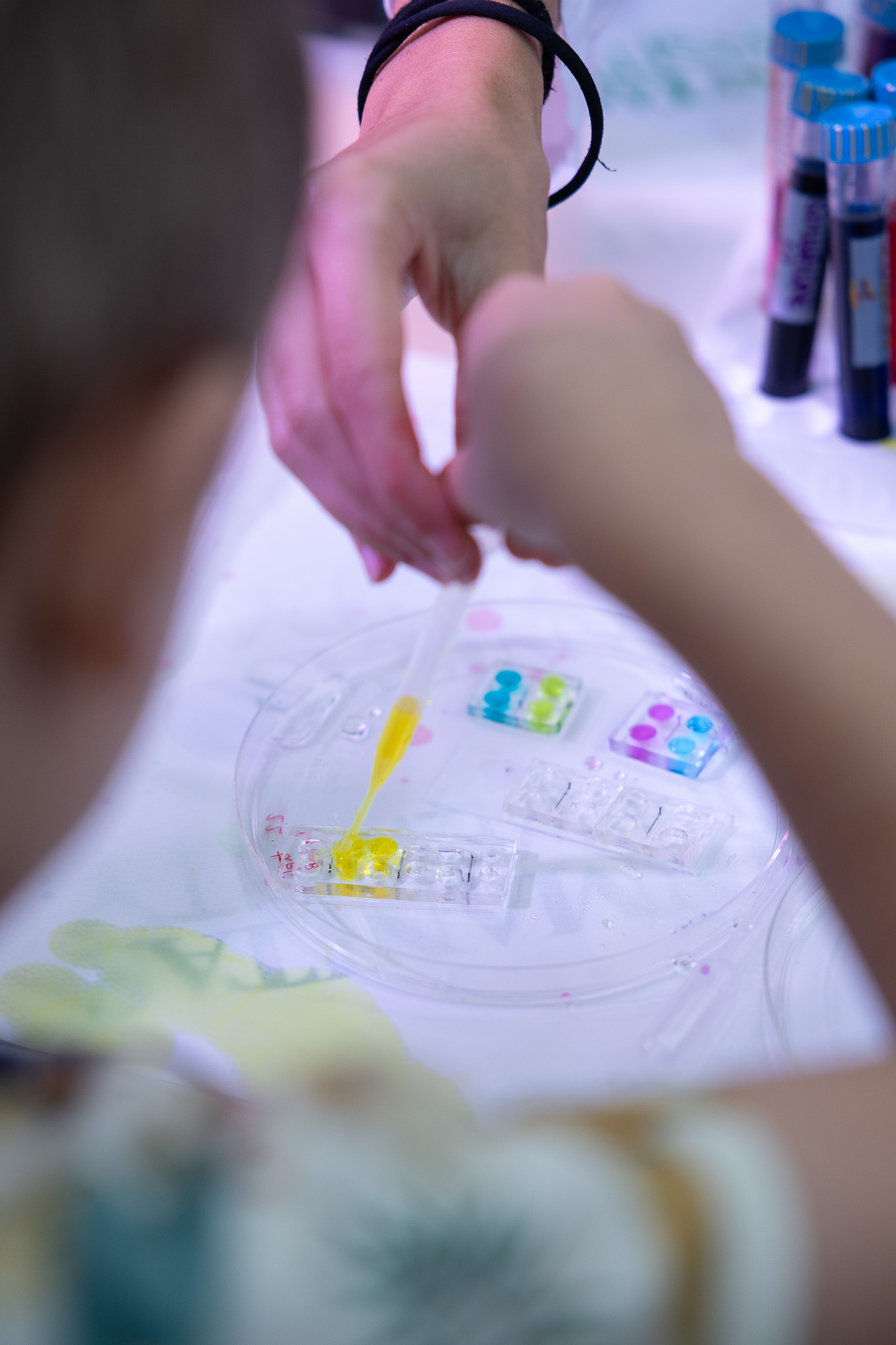
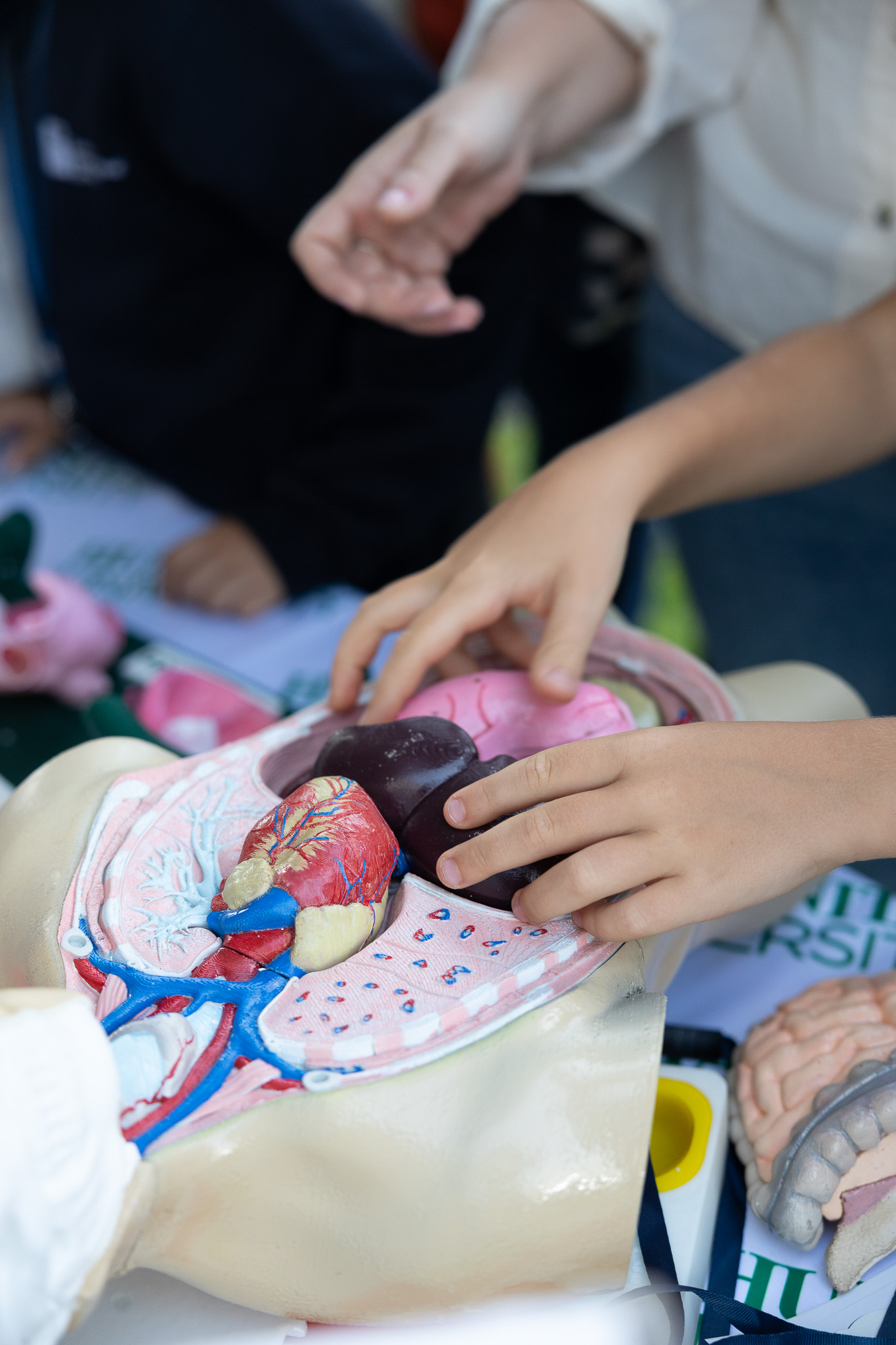
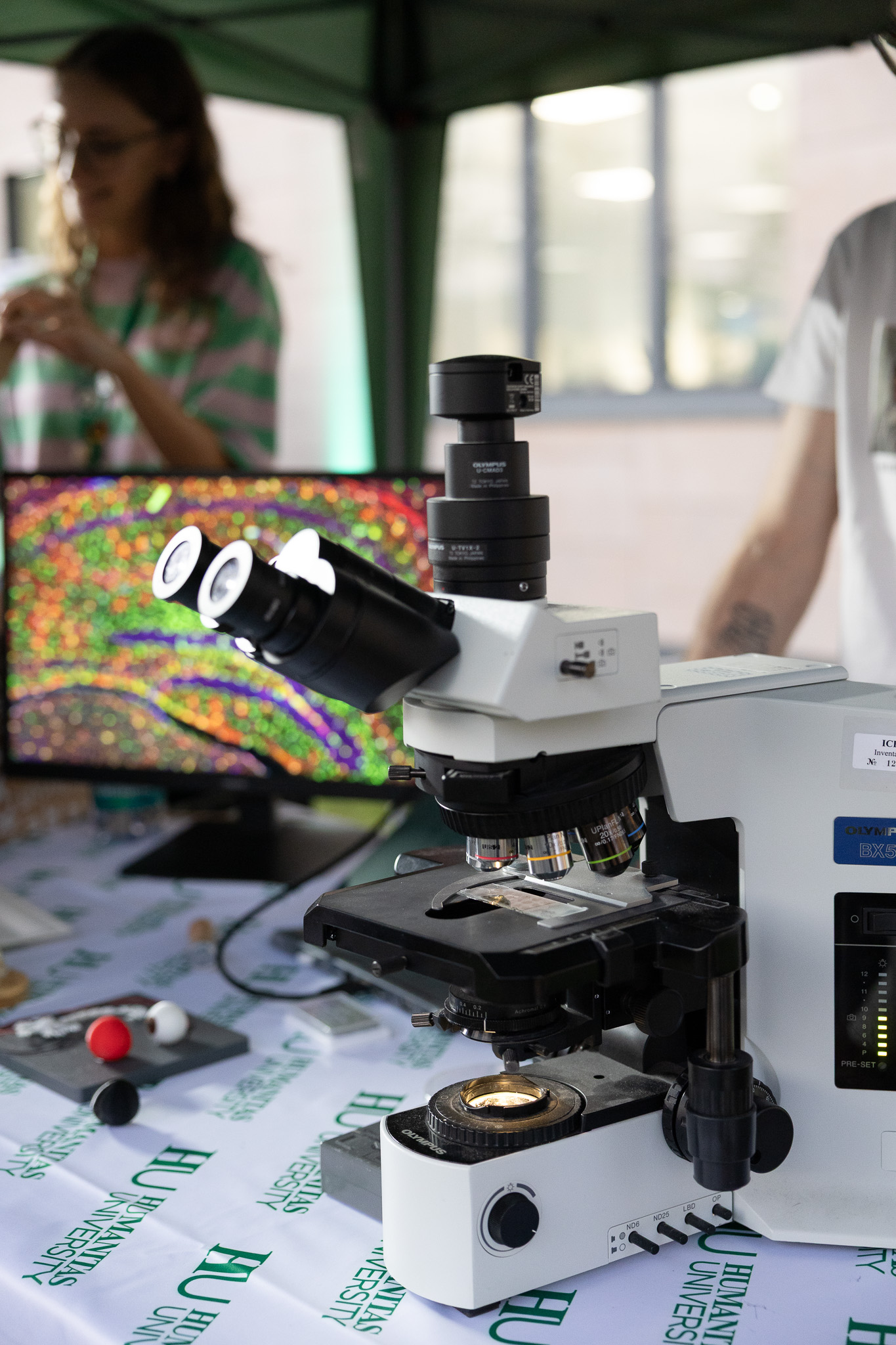
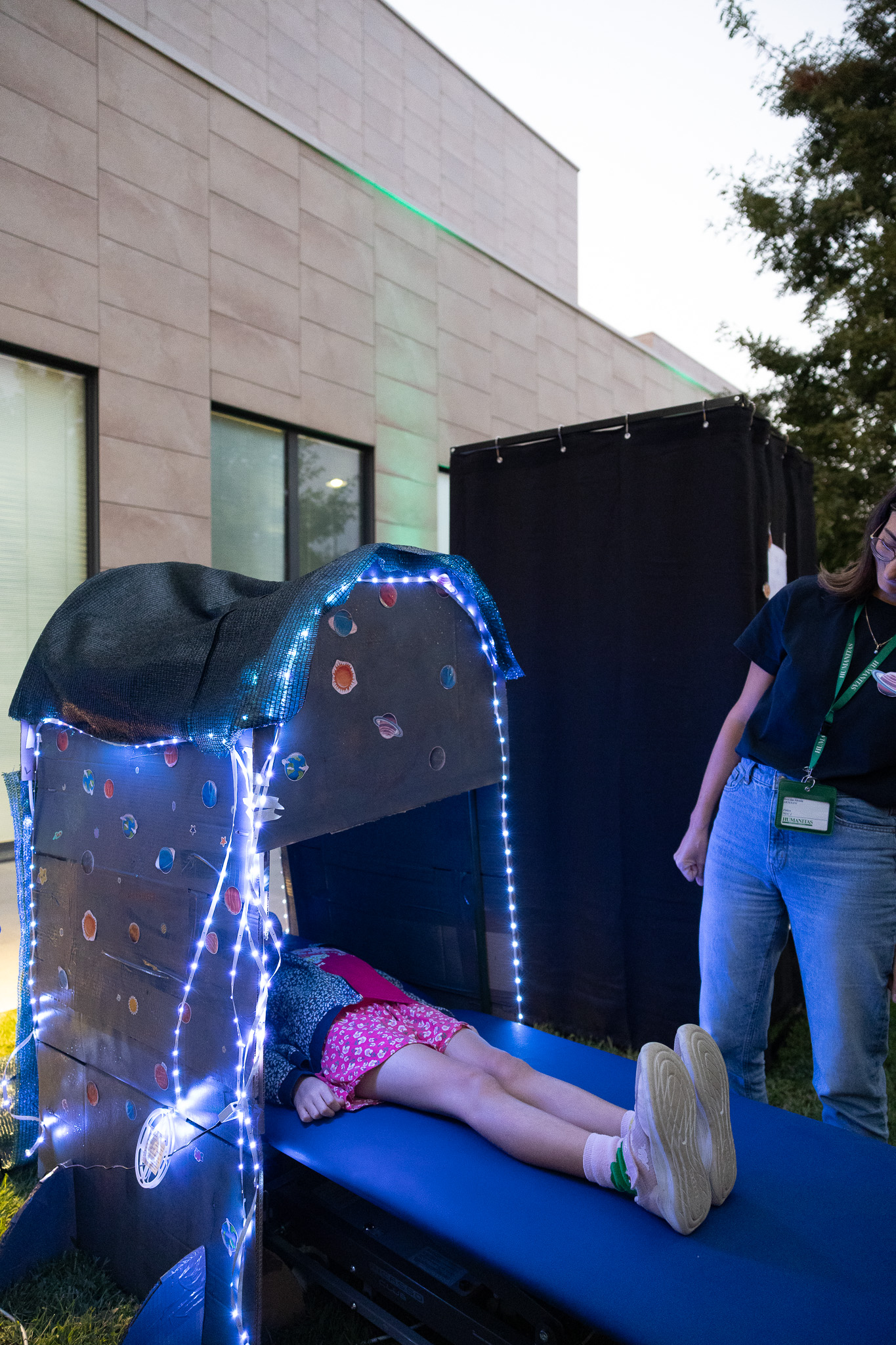
The Research Passport guided participants throughout this journey, a badge to be completed step by step while exploring the different areas of biomedical research at Humanitas. Through experiments, guided laboratory tours, demonstrations and interactive activities, visitors of all ages were able to approach complex topics through hands-on experiences: from extracting DNA from bananas to understanding the sophisticated defence mechanisms of the immune system, while exploring neuroscience, miniature models of human organs, a cardiopulmonary resuscitation challenge and the different stages of clinical research. Advanced technologies also took centre stage, from magnetic resonance imaging and electron microscopy to 3D printing and its applications in medicine.
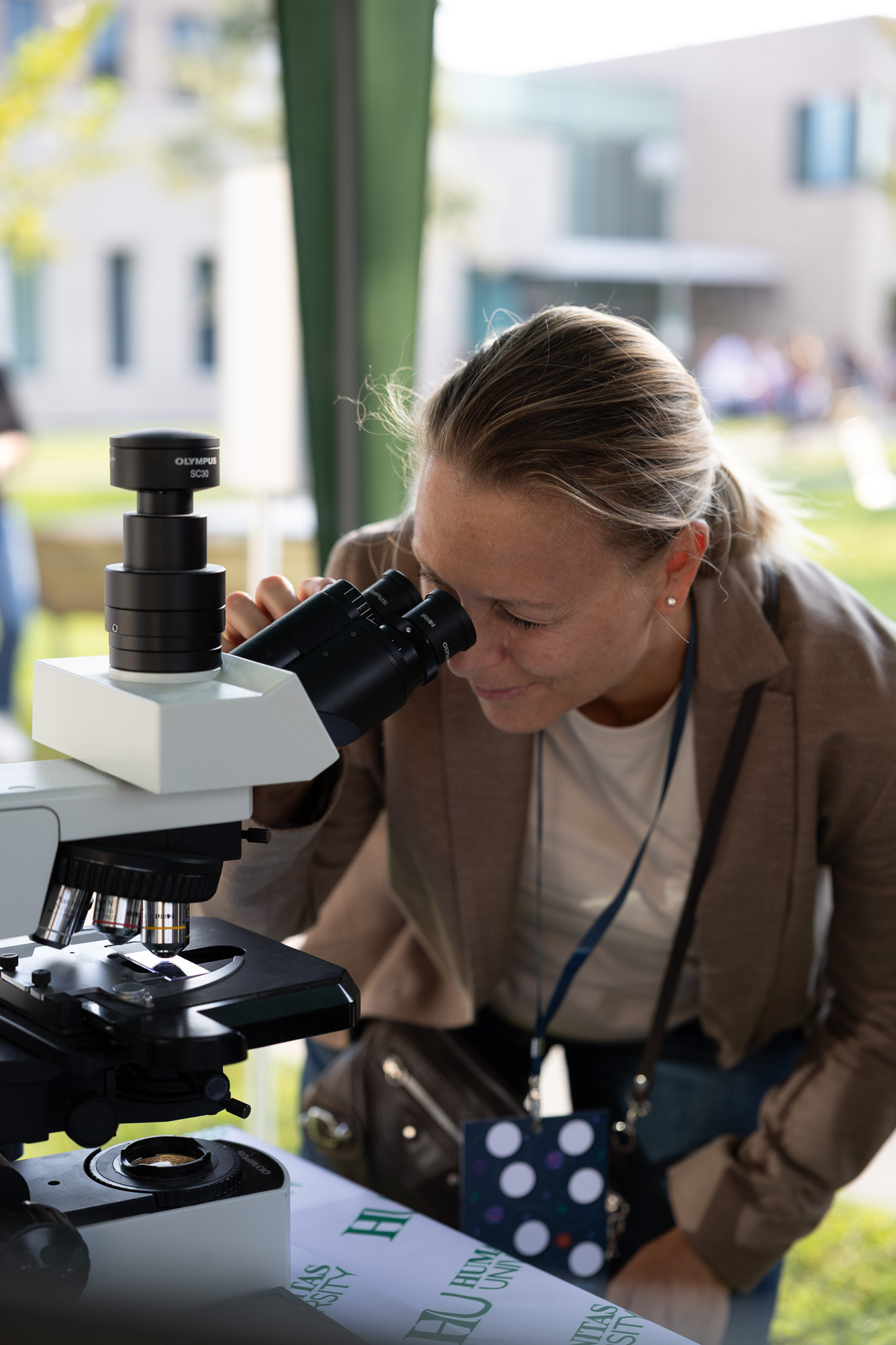
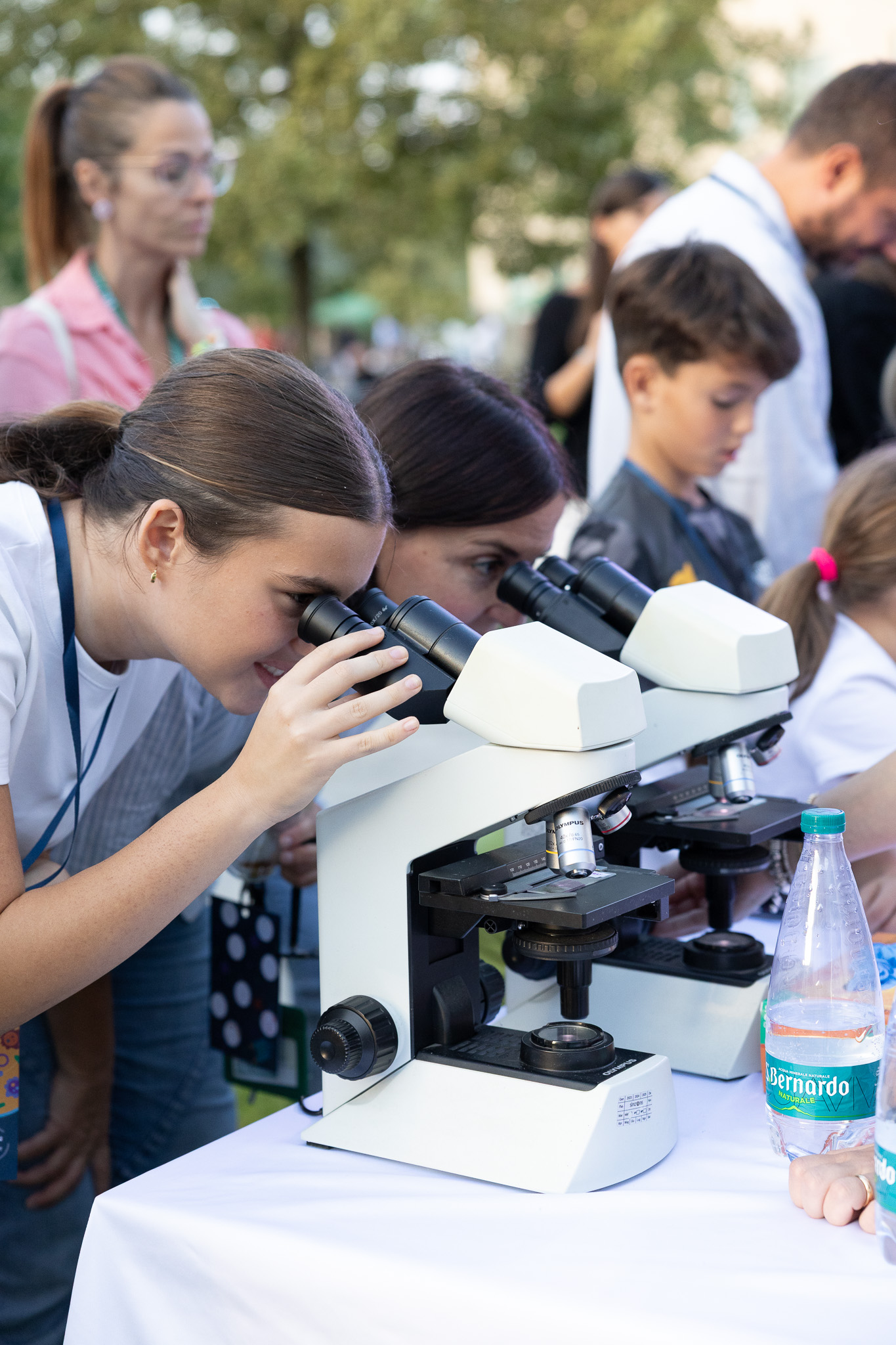
Around the tables, children and adults had the opportunity to observe, experiment, ask questions and put themselves to the test. The result was a lively and engaging evening, where children’s sense of wonder met adults’ interest in an informal atmosphere, allowing researchers to share their work in an accessible and engaging way.
Where Research and care meet
At the heart of the evening, the central stage hosted «Research Takes the Floor», a conversation between Simona Lodato, Head of the Developmental Neurobiology Laboratory at IRCCS Istituto Clinico Humanitas and Professor at Humanitas University, and Marco Riva, Neurosurgeon at IRCCS Istituto Clinico Humanitas and Professor at Humanitas University. The conversation was introduced by Gianluigi Condorelli, Director of the Cardiology Research Program, Deputy Scientific Director and Head of the Cardio Center at IRCCS Istituto Clinico Humanitas, and Professor at Humanitas University.
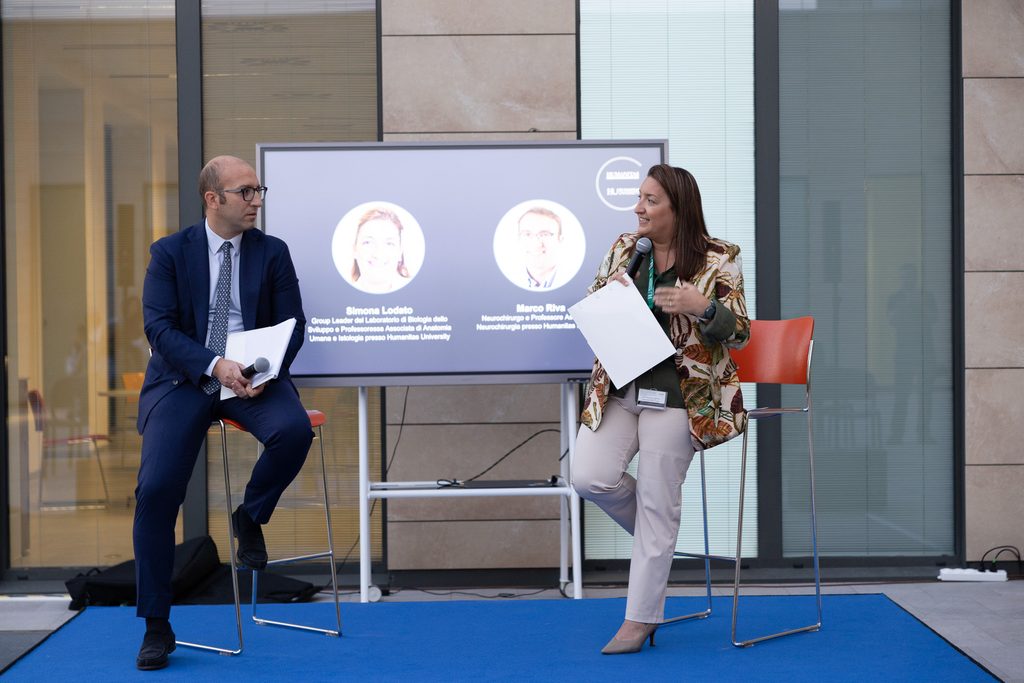
Through their different yet complementary perspectives, the audience was able to follow the journey of a discovery as it begins to move from the laboratory towards the patient’s bedside. It is a journey shaped by questions, exchanges that open up new perspectives, technologies and different areas of expertise that come together along the way, giving rise to collaborations that push research towards new frontiers.
This is where translational research takes shape: a synergistic process in which basic research, clinical research and medical practice are not isolated stages, but constantly interconnected dimensions that mutually reinforce one another, sharing the common goal of turning knowledge into new possibilities for health.
Bringing science closer, building a more informed society
In this sense, bringing research beyond the laboratory means doing more than simply communicating it. Above all, it means creating a space for dialogue and exchange between those who conduct research and the people who, in different ways, are both part of it and its ultimate beneficiaries. Alongside generating new knowledge and providing education, universities also have a responsibility to share knowledge and build meaningful dialogue with society. This commitment helps foster a scientifically informed culture and make knowledge a driver of growth and innovation for the wider community.
In this context, the European Researchers’ Night represents a valuable opportunity to show that Science is not an abstract or distant world, but a living, tangible reality capable of having an impact on our everyday lives.
This encounter takes on an even deeper meaning when it involves younger generations. Behind a child’s curiosity when looking through a microscope, observing an anatomical model or discovering technology capable of revealing the invisible, there may be more than an enjoyable experience: there is the discovery of a new way of looking at the world. Bringing young people closer to Research means giving them the tools to understand reality, develop critical thinking and discover Science as a way of exploring the present and addressing the challenges of the future.