
High-grade brain tumors, particularly glioblastoma, represent one of the most complex challenges in contemporary oncology. In this context, a collaboration has been established between the Humanitas Research Hospital and the Istituto Italiano di Tecnologia, through a research project aimed at developing innovative therapeutic strategies with high scientific and clinical impact for the treatment of glioblastoma.
The project, titled NeuroMESH Advanced Microstructured MESH for Targeted Immuno-Chemotherapy Delivery in Adjuvant Brain Tumor Therapy (NeuroMESH), has been awarded one of the prestigious grants from the Fondo Italiano per le Scienze Applicate (FISA), funded by the Ministry of University and Research. The grant is worth 2.7 million euros and will run over five years.
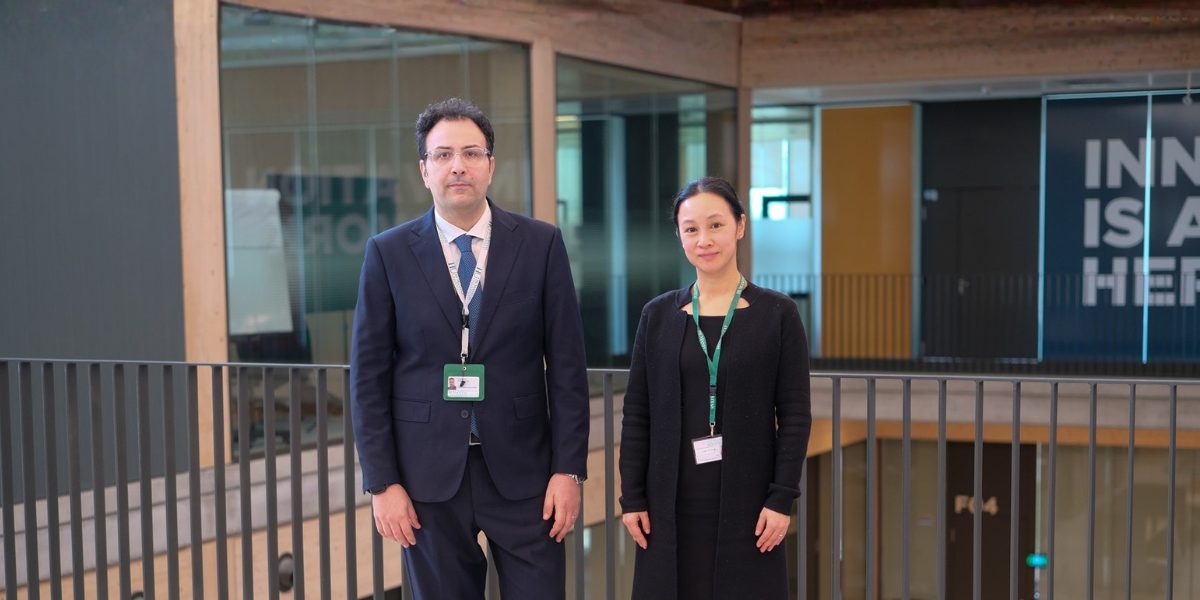
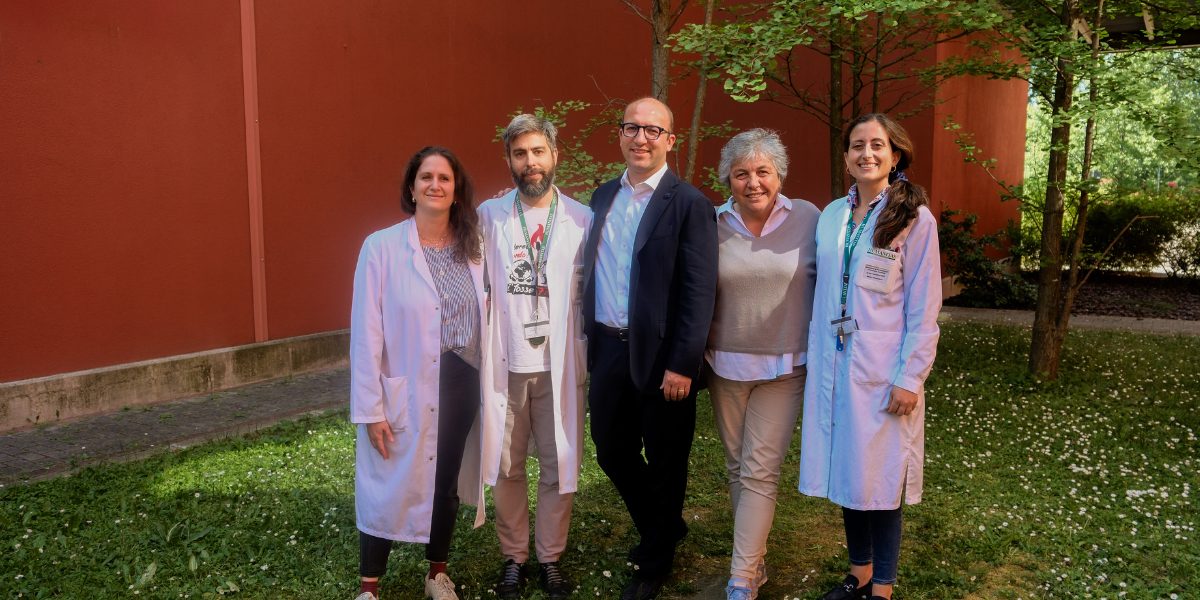
At Humanitas, NeuroMESH is coordinated by Marco Riva, neurosurgeon at the Neurosurgery Unit led by Prof. Federico Pessina at Humanitas Research Hospital, and associate professor at Humanitas University. The project builds on a technology developed in the laboratories of Paolo Decuzzi, Senior Scientist at the Istituto Italiano di Tecnologia (IIT) in Genoa and Adjunct Professor of Oncology at Stanford University: the micro-MESH (μMESH), a biodegradable polymer film with a unique microstructure capable of loading and releasing multiple agents in a controlled way for advanced therapies. The project also involves Lorena Passoni and other researchers from the Laboratory of Pharmacology and Brain Pathology at Humanitas Research Hospital, directed by Michela Matteoli.
The project is structured around two main objectives: validating μMESH in advanced glioblastoma models, with a direct comparison to current clinical methods widely used at Humanitas; and the industrial development of the technology, with the aim of submitting a regulatory dossier to EMA/AIFA and the FDA for a new therapy intended for glioblastoma treatment.
Biological and clinical challenges of glioblastoma
The treatment of high-grade brain tumors at both initial diagnosis and recurrence is particularly complex due to a combination of biological, biophysical, and clinical factors. A key role is played by the blood–brain barrier, a protective structure that nevertheless limits the entry of many therapeutic molecules into brain tissue, reducing the effectiveness of systemic drug delivery. Treatment is further complicated by marked intratumoral heterogeneity, which leads to different therapeutic responses within the same tumor, and by a strongly immunosuppressive tumor microenvironment that can impair both natural immune responses and current immunotherapy strategies.
Glioblastoma is the most common primary malignant brain tumor in adults, with an estimated incidence of 3–4 cases per 100,000 people per year, rising to 10–12 per 100,000 in the population over 65. Despite advances in surgery, radiotherapy, and pharmacological treatments, the prognosis remains poor: only about 5% of patients survive five years after diagnosis. In addition, around 80% of cases involve local recurrence. For this reason, an advanced system such as μMESH has the potential to significantly alter disease progression and dramatically improve patients’ and families’ quality of life.
“Glioblastoma is an extremely complex disease, not only because of its aggressiveness, but also due to its ability to adapt to therapies and interact with its surrounding environment,” explains Marco Riva. “Even when surgical resection is extensive and standard therapies are correctly applied, the risk of recurrence remains high: our project with μMESH is specifically aimed at this patient population.”
A platform for local drug delivery in glioblastoma
To address these challenges, the project aims to test μMESH, a patch made of a biodegradable mesh designed for the local and sustained release of therapeutic agents directly onto the residual tumor surface after surgery. The patch has already been designed and preclinically tested in Decuzzi’s laboratory at IIT. This new project will focus on its application in a surgical setting: during neurosurgery, μMESH can be precisely positioned in the resection area, acting in a targeted way on regions at highest risk of recurrence and tumor infiltration.
“μMESH represents a unique controlled-release system: it is neither a rigid wafer nor a hydrogel, but a thin film that conforms to tissue surfaces and releases therapeutic agents over weeks and months, capable of stimulating the immune system and acting synergistically with radiotherapy,” says Paolo Decuzzi. “We believe μMESH could redefine the concept of drug delivery in oncology, with potential applications also in other medical indications.”
Thanks to its mechanical properties, the structure adapts to the irregular surfaces of post-resection brain tissue, and its micrometer-scale architecture allows for controlled and sustained drug release over time.
New therapeutic paradigms and future perspectives
The project follows an integrated pathway, taking μMESH from technological development through to clinical application readiness. In the first phase, the device will be optimized to maximize local diffusion of standard chemotherapeutic agents in combination with other therapeutic molecules, such as monoclonal antibodies and immunotherapeutic agents, and in synergy with radiotherapy. This combined approach will allow evaluation not only of direct antitumor activity, but also of μMESH’s ability to reactivate the immune system against cancer cells. At the end of this phase, the most effective μMESH configuration (lead configuration) will be identified, forming the basis for the second development stage and preparation for industrial production under good laboratory and manufacturing practice standards, paving the way for future human trials.
In a context where neurosurgery, oncology, nanomedicine, microtechnologies, and immunotherapy are increasingly integrated, this project represents an advanced drug delivery approach in neuro-oncology and a significant step toward new therapeutic strategies for high-grade glioblastomas.
The collaboration between clinical, biological, and engineering expertise, supported by long-term national funding, will be essential to translate this high-potential project into clinical application, with the ultimate goal of improving prognosis and quality of life for patients affected by this complex disease.