
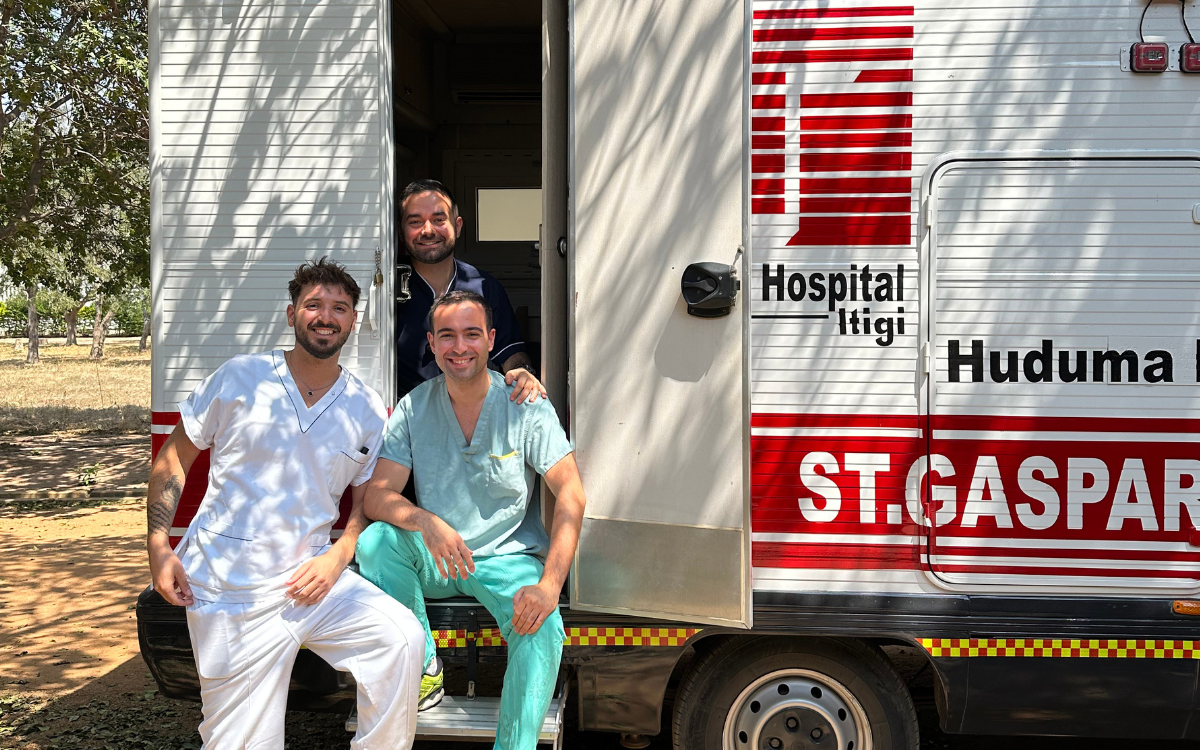
From July to September, Humanitas University’s Honors Track Africa gave students of Medicine, Nursing and Physiotherapy the opportunity to take part in a hands-on learning experience in Tanzania, Madagascar and Zambia. The programme allowed them to gain first-hand exposure to clinical practice in diverse healthcare and cultural settings. Going beyond traditional academic training, students developed professional skills, adaptability and a deeper understanding of the role of collaboration in patient care.
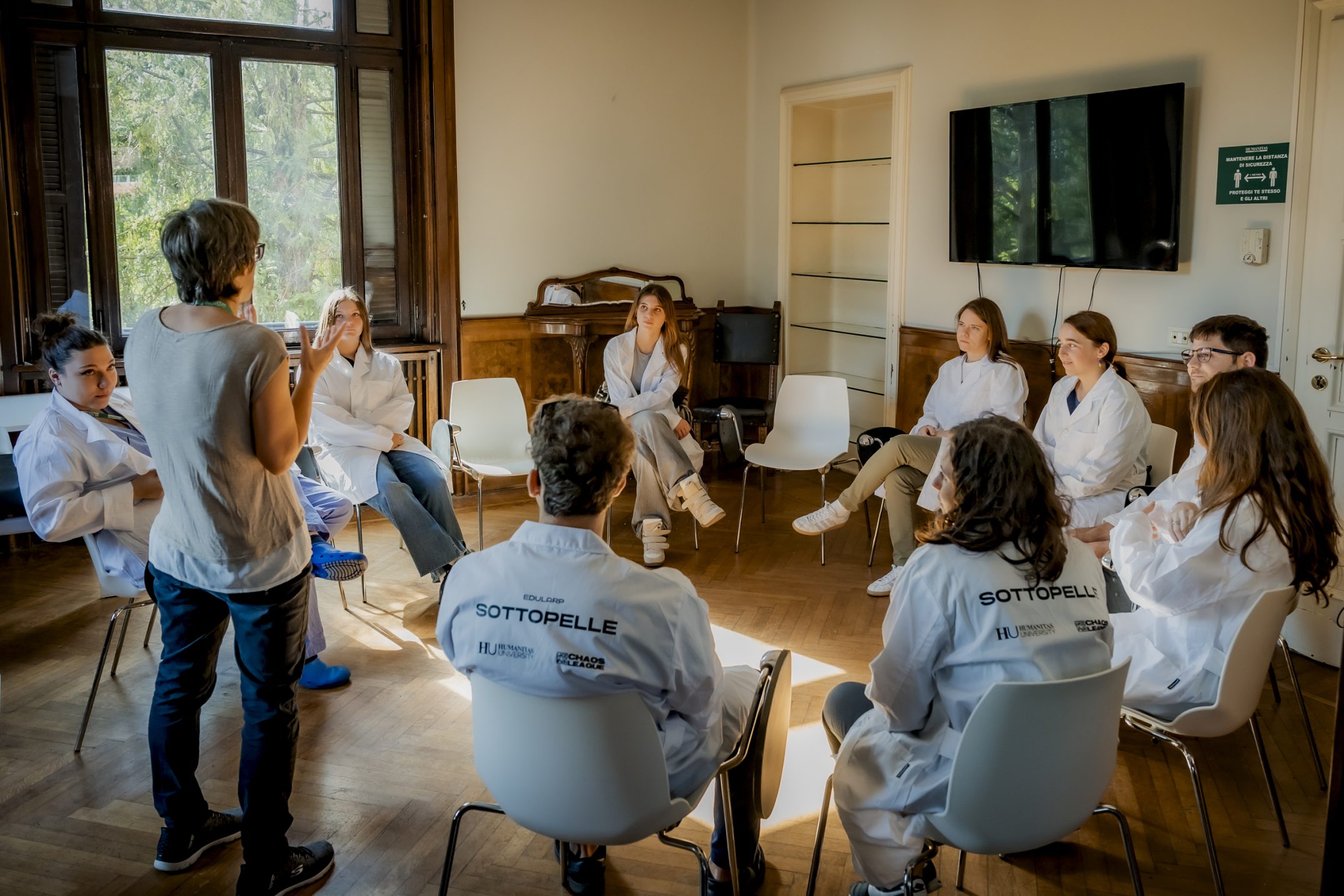
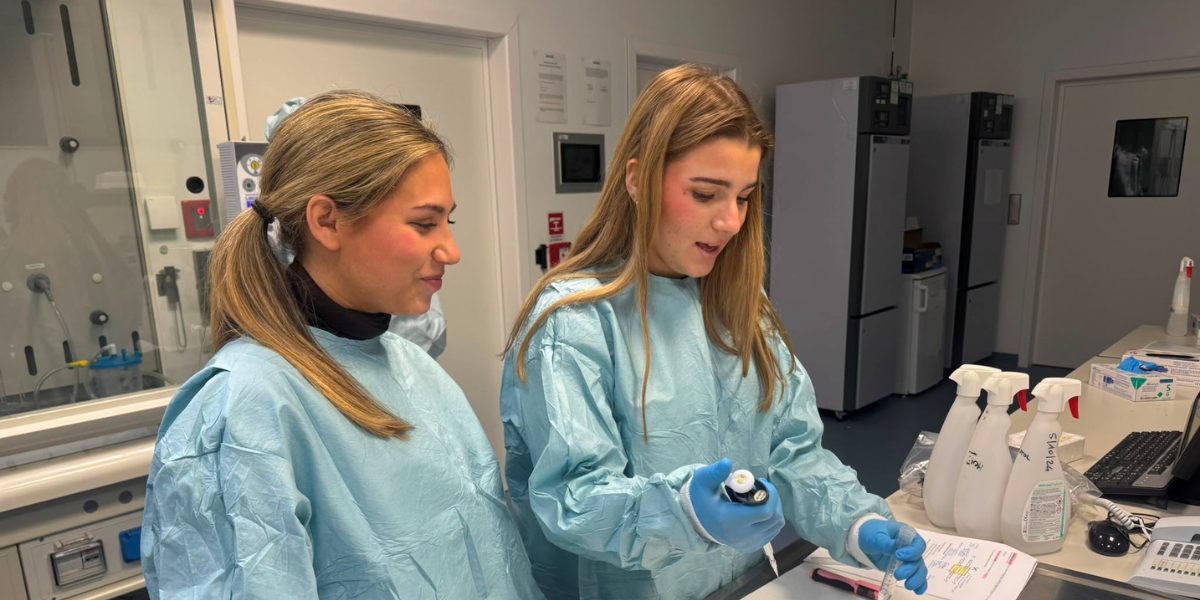
Honors Tracks are programmes designed for students who are motivated to gain additional knowledge, skills and competencies in an area of their choice. The Honors Track Africa prepares participants for a four-week field experience at partner healthcare facilities, preceded by training activities at Humanitas, including simulations, laboratory exercises and clinical training.
During their time in Africa, students had the opportunity to work alongside doctors, nurses and other healthcare professionals in their daily activities, observing and exploring clinical and surgical cases, learning to make the most of available resources and experiencing different approaches to healthcare delivery. This provided an opportunity to consolidate their existing skills and gain a closer understanding of the human, cultural and multidisciplinary dimensions of healthcare professions.
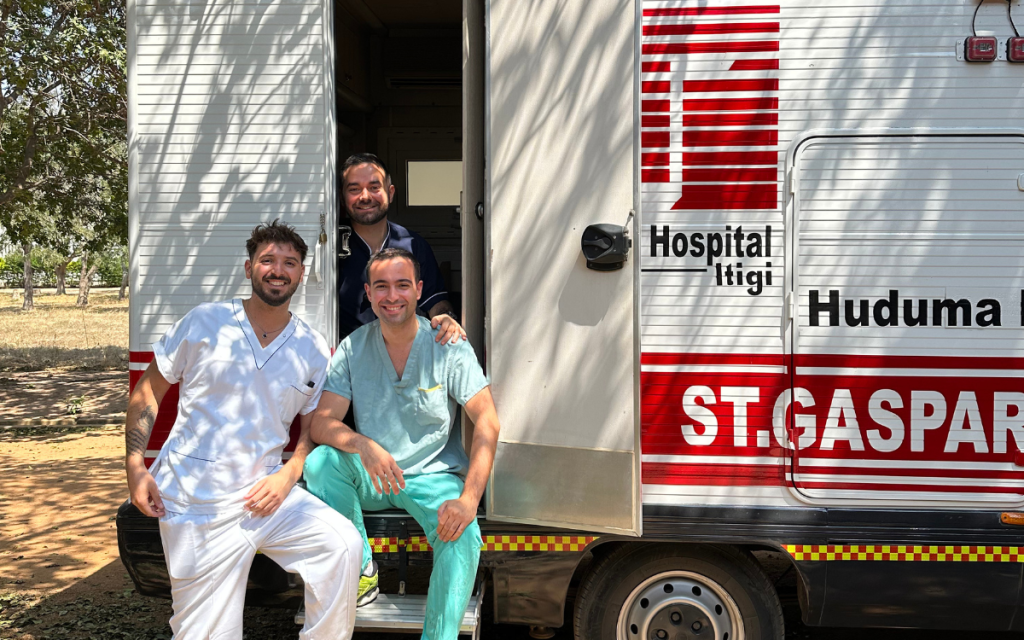
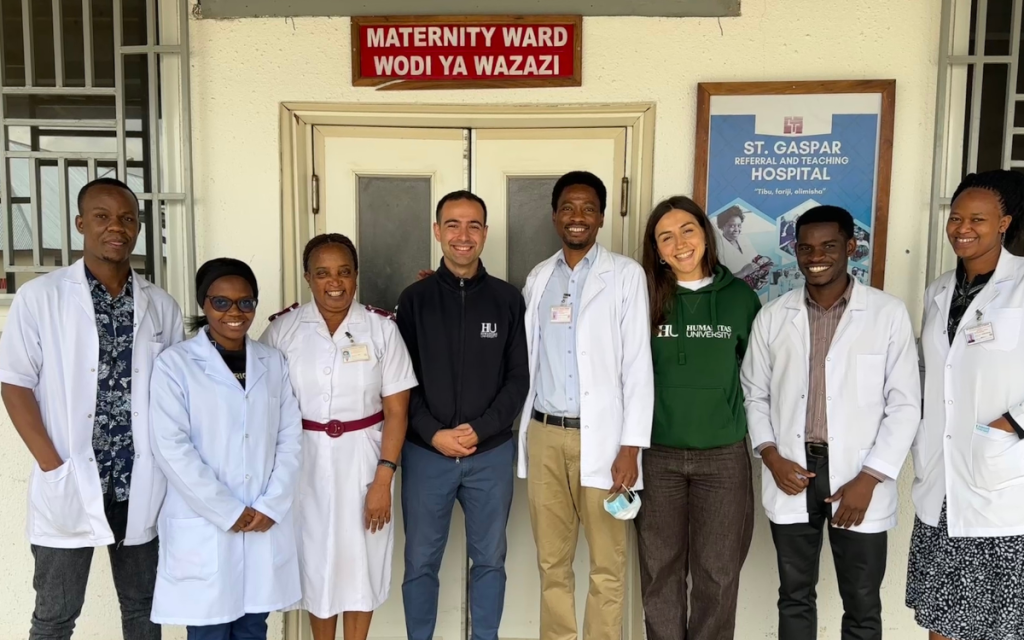
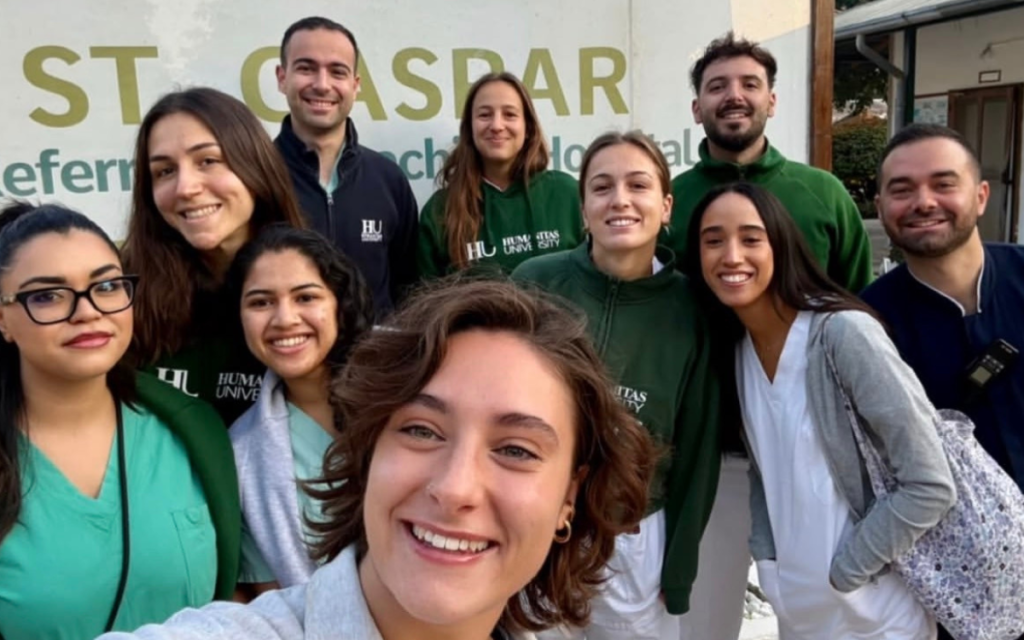
Tanzania: an immersive hospital experience
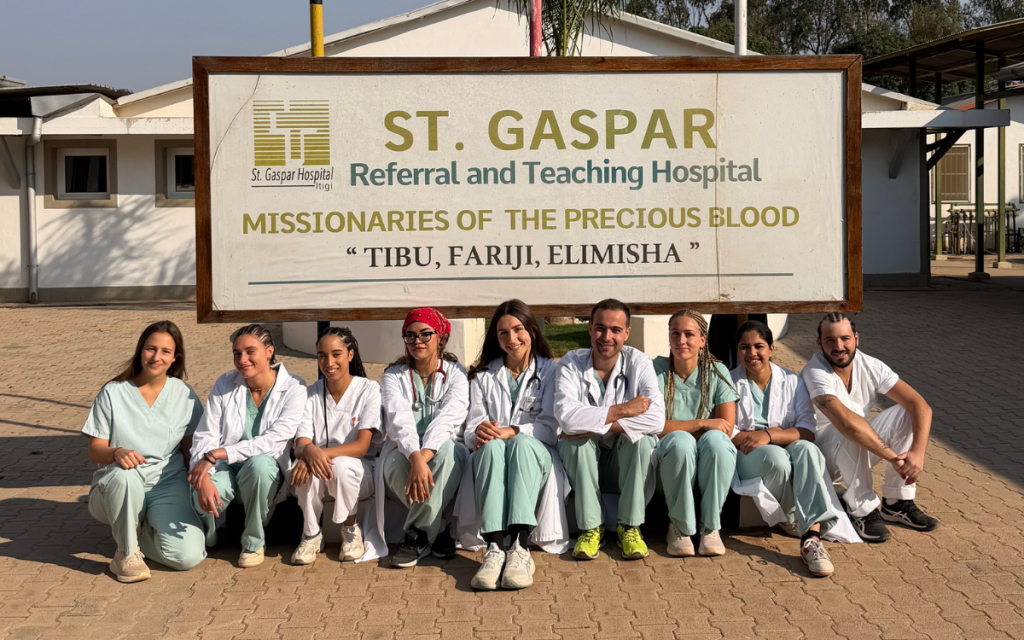
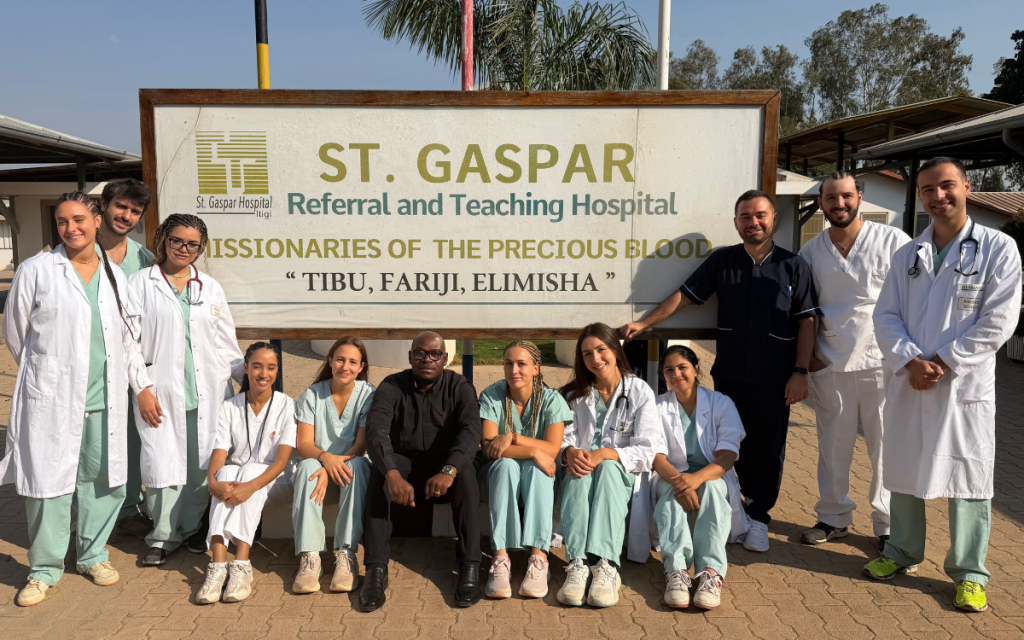
In Tanzania, one of the most significant aspects of the experience was the opportunity to gain first-hand insight into everyday hospital life, also thanks to the students being accommodated within the hospital itself. This proximity allowed them to take part in activities across different departments, explore clinical areas of particular interest and observe how the hospital operates as a complex, interconnected system.
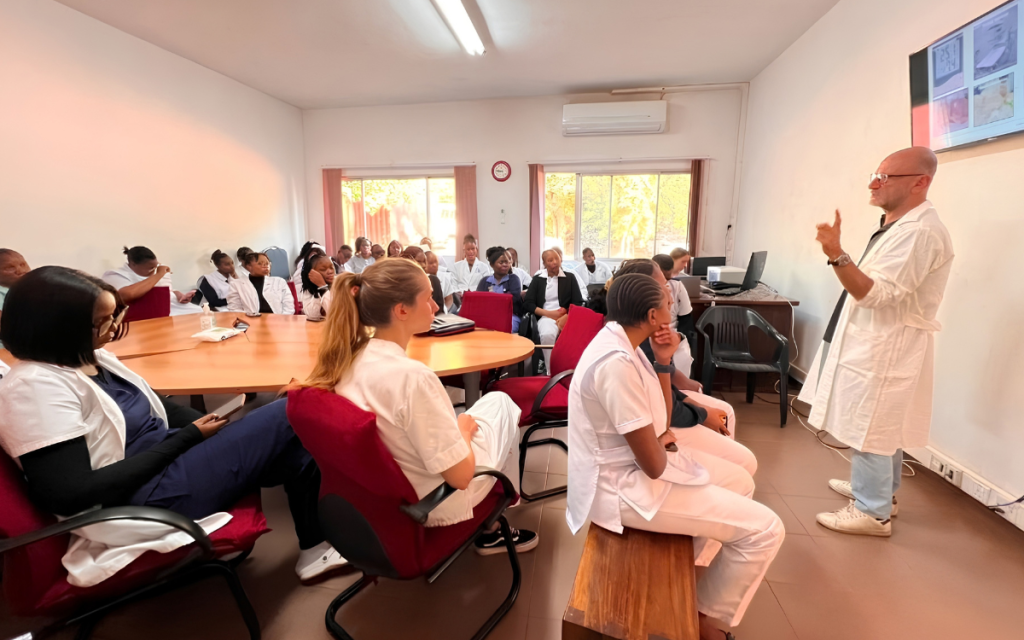
Alongside patient care activities, students attended meetings involving clinical and non-clinical staff, clinical case discussions and mortality meetings, gaining insight into decision-making processes and the dynamics that shape teamwork in a hospital setting. The opportunity to discuss particularly interesting cases, including outside scheduled activities, made the experience even more immersive.
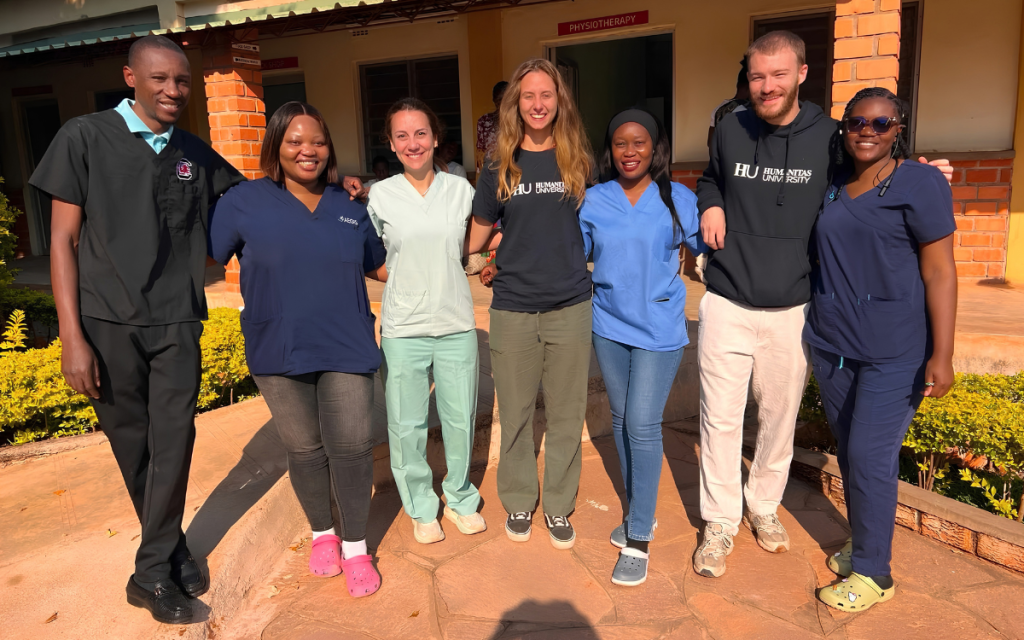
Students of Medicine, Nursing and Physiotherapy shared not only their learning activities, but also their everyday lives. Interacting across different professional disciplines fostered practical multidisciplinary collaboration, highlighting the importance of dialogue and the integration of different skills in patient care.
Direct interaction with Tanzanian healthcare professionals and students also gave participants the opportunity to discover different clinical approaches, available resources and organisational models, turning their stay into an experience of mutual learning, both inside and outside the hospital.



Madagascar: from clinical practice to health education
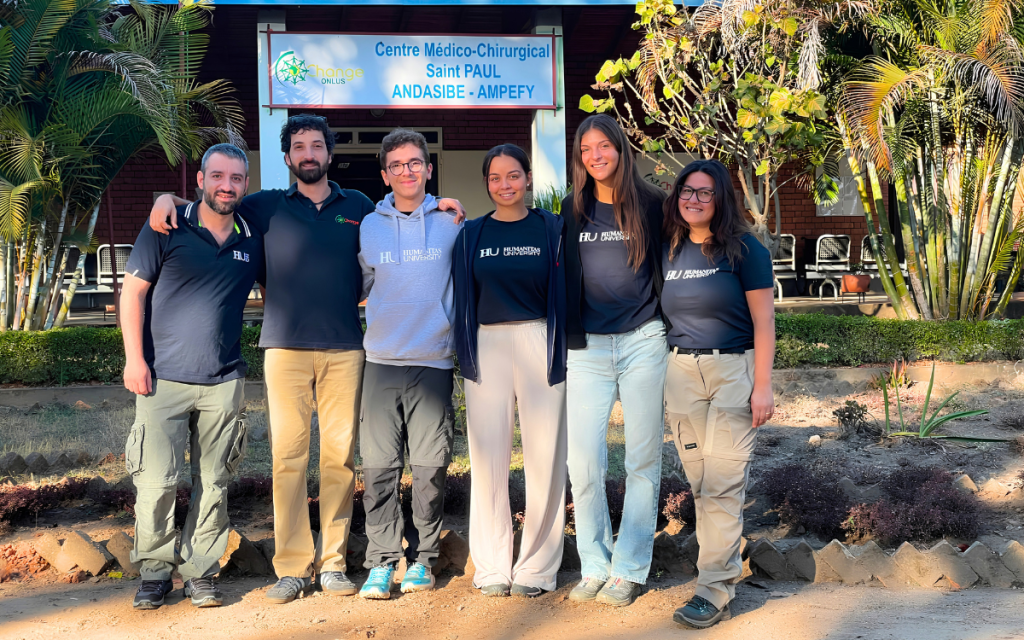
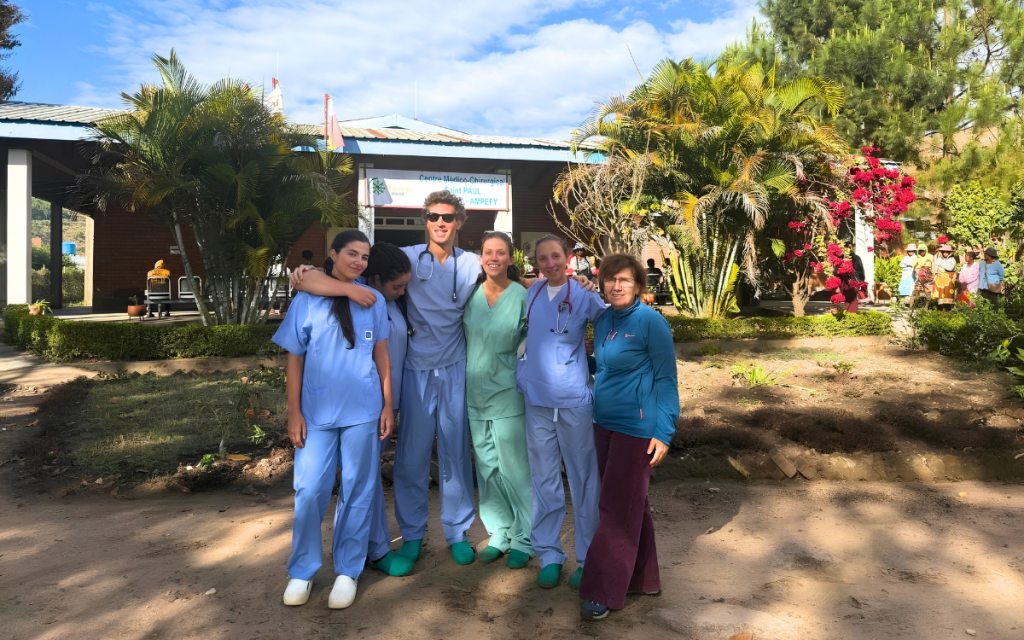
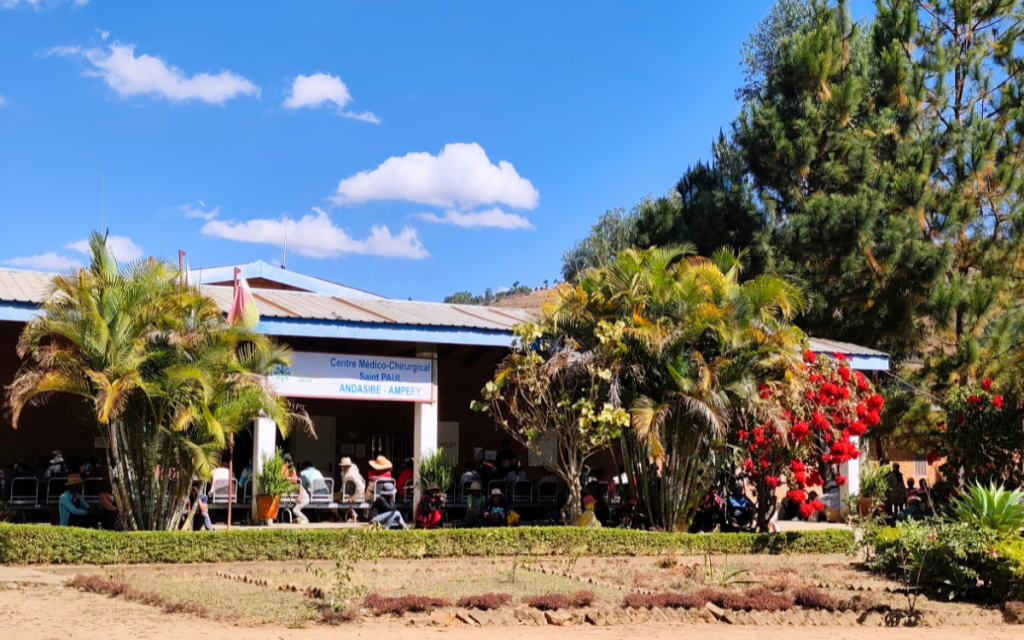
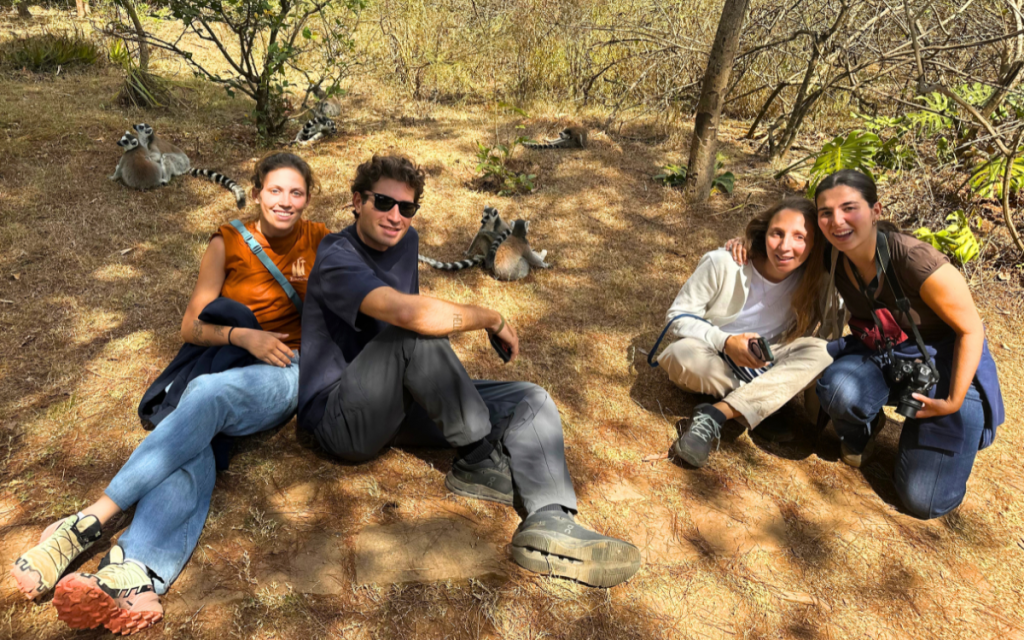
In Madagascar, students took part in activities at the Clinical Centre in Ampefy, working alongside local healthcare staff during outpatient consultations, inpatient care and emergency department activities. Over time, they gained greater autonomy in organising their activities and were able to choose which professionals to work alongside according to their educational interests.
The opportunity to observe surgical procedures, including scheduled caesarean sections, and to learn from midwives working in the delivery room allowed students to explore aspects of clinical practice that require technical expertise, attention to detail and the ability to work effectively as part of a team.
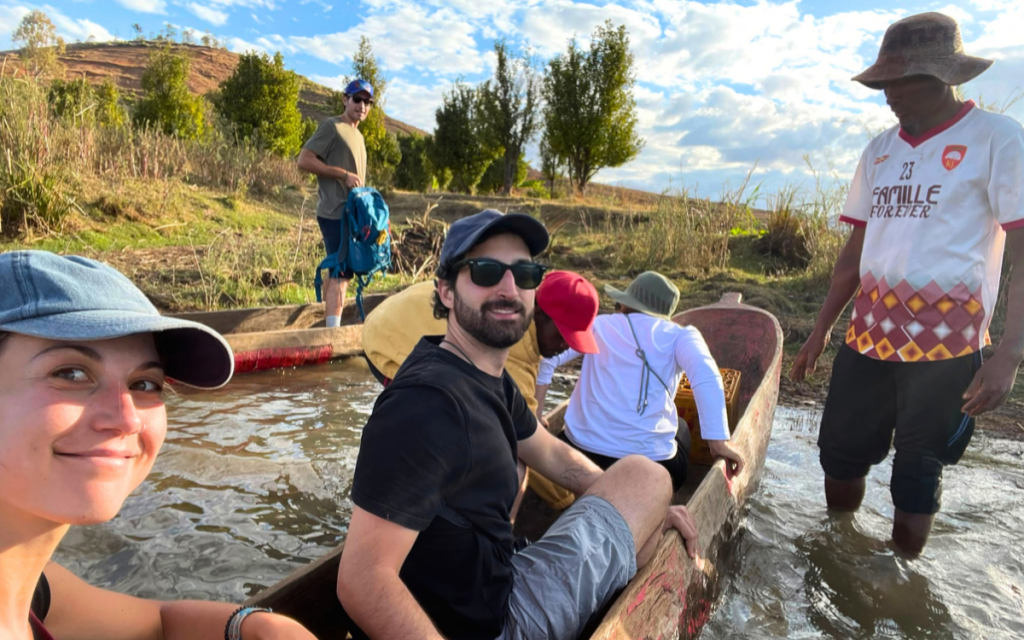
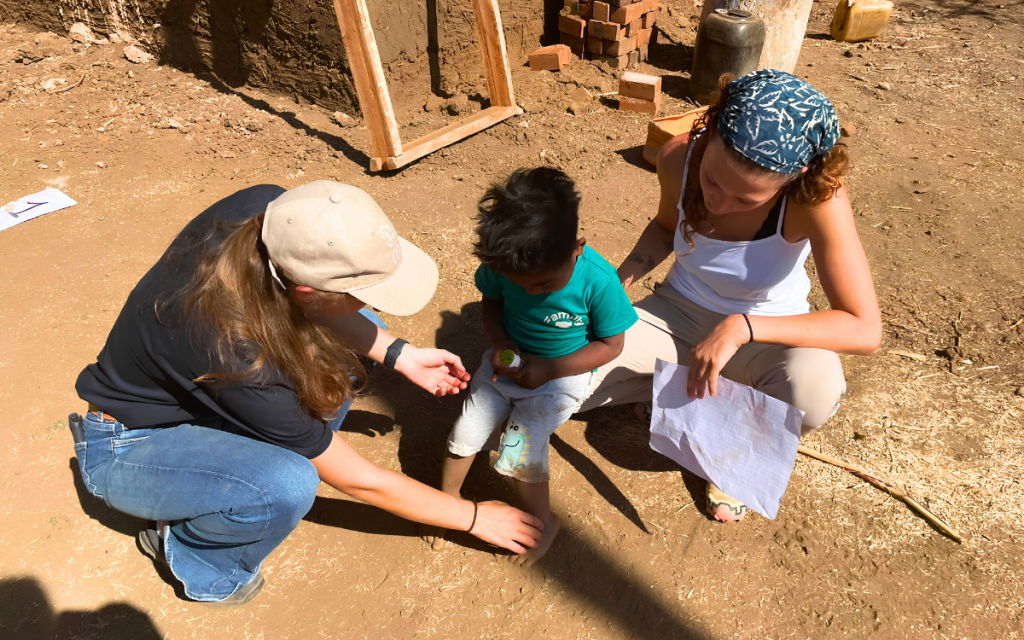
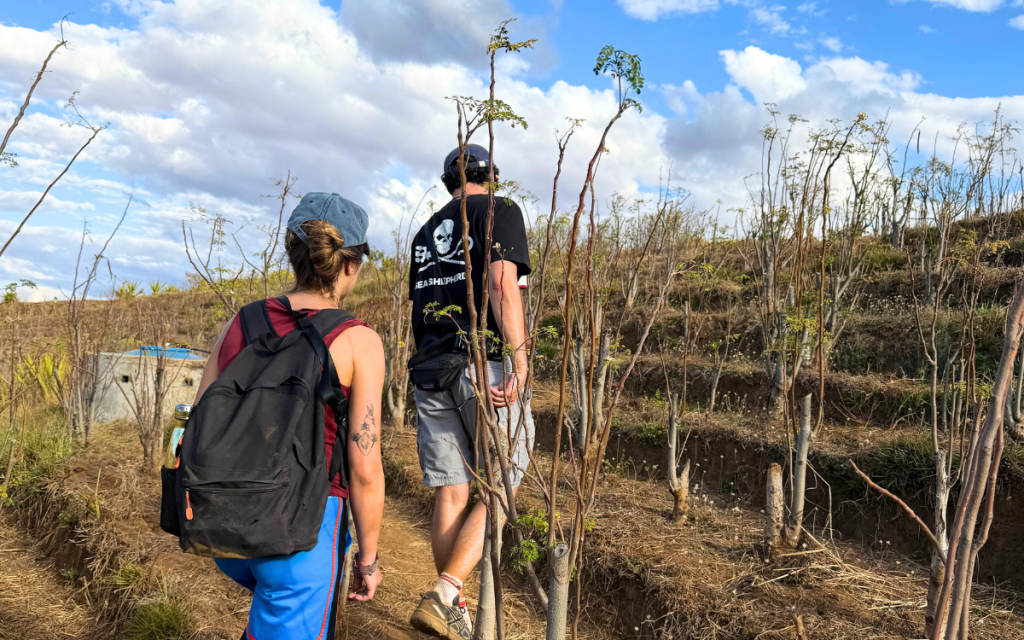
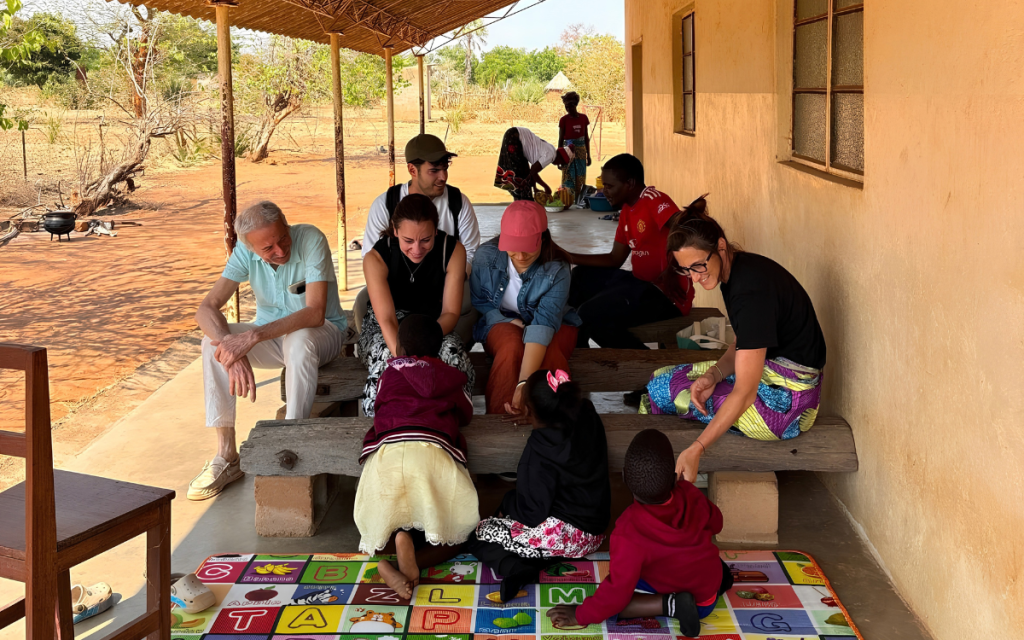
Learning also extended beyond the hospital through health education activities in local villages, organised with the support of Change ETS. Students took part in nutrition education initiatives, observing local experts and contributing to meal preparation and distribution. This experience helped them understand the importance of designing interventions around the needs of local communities, while considering available resources and the area’s cultural specificities.
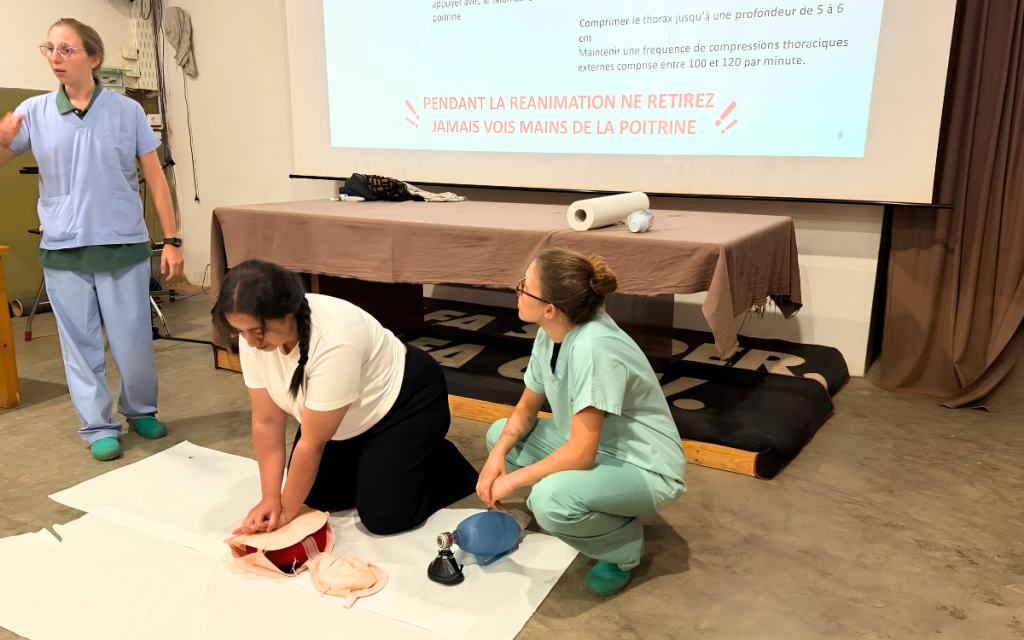
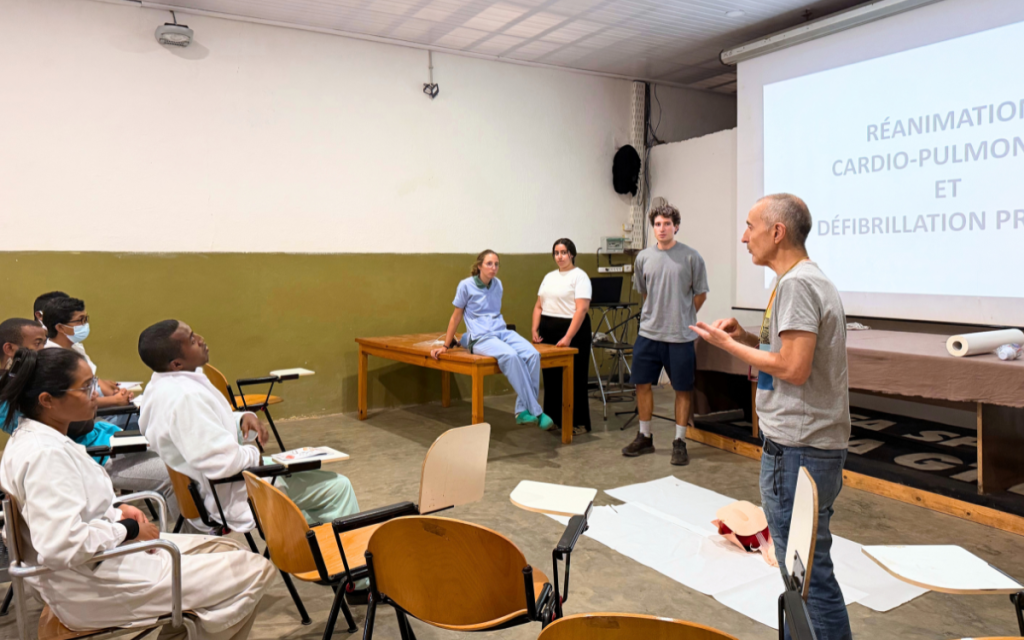
As part of a training session on cardiopulmonary resuscitation (CPR), students also helped prepare a lesson for doctors and nurses at the Clinical Centre, contributing both to the presentation of the protocol and to the practical demonstration of resuscitation techniques.


Zambia: skills, collaboration and personal growth
At Mtendere Mission General Hospital in Chirundu, Zambia, the Honors Track Africa gave students the opportunity to work alongside local healthcare professionals in a clinical setting characterised by resources and organisational approaches different from those they were accustomed to.
The variety of hospital activities allowed participants to gain first-hand insight into the management of a wide range of clinical situations, from trauma and obstetric emergencies to infections and accidents. They also developed a deeper understanding of the essential role played by decision-making, versatility and collaboration among healthcare professionals.
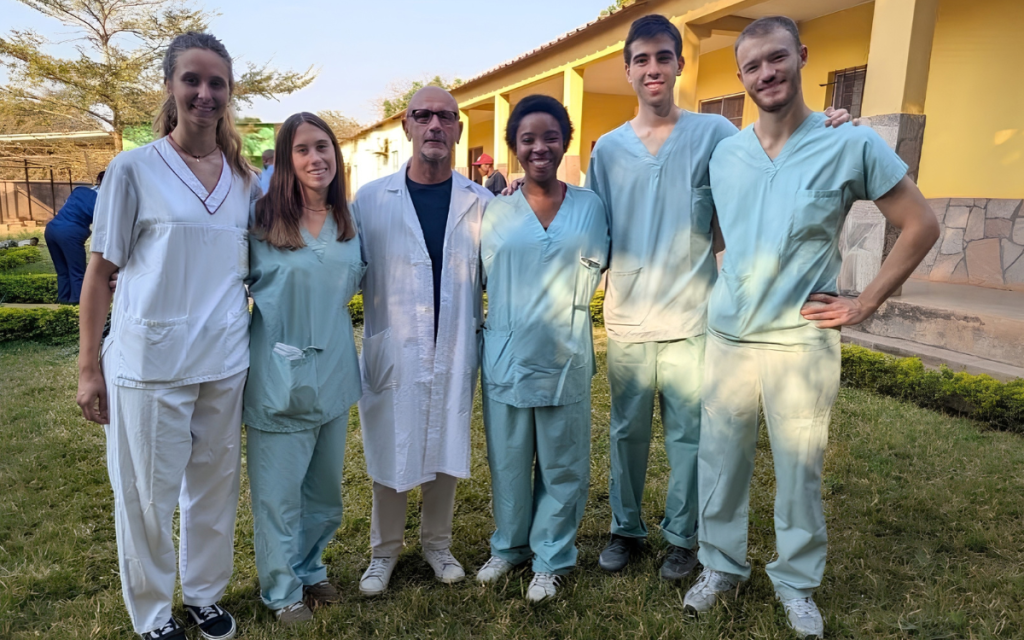
Under the guidance of local staff, students were able to take part in clinical procedures, put their acquired knowledge into practice and further appreciate the value of hands-on learning.
The experience was also an important opportunity for Nursing and Physiotherapy students, who were able to apply the skills developed throughout their university studies and engage with the healthcare needs of the host setting.
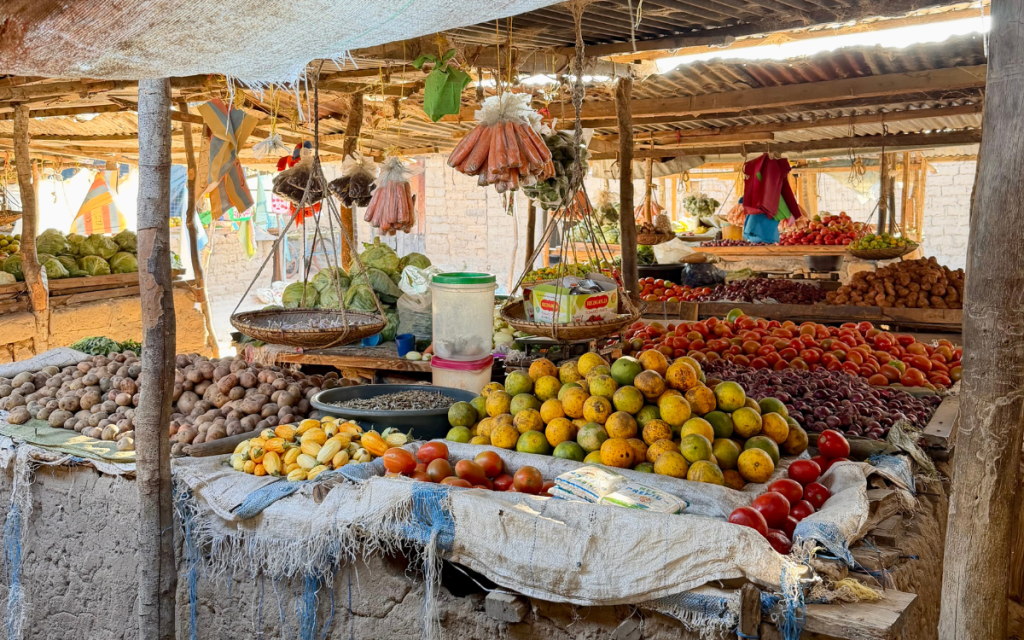
Beyond the clinical dimension, meeting local communities broadened students’ perspectives on healthcare professions and their social significance. The openness, hospitality and spirit of collaboration they encountered throughout their stay prompted reflection on the importance of building relationships with patients and recognising the strengths and resources of individuals and communities.
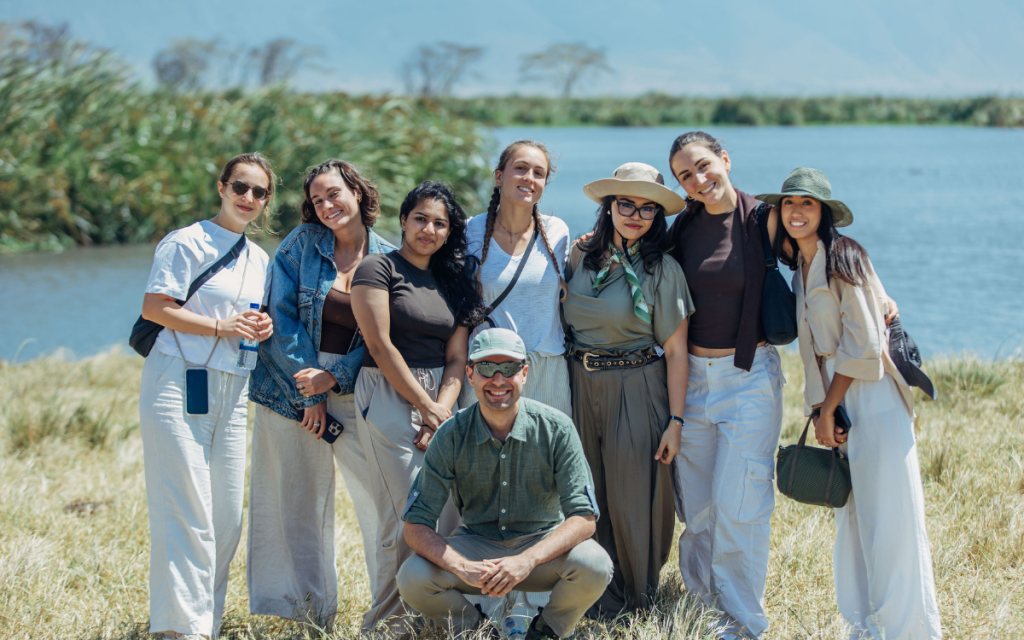
The programme also provided opportunities to discover the Zambian landscape and culture, offering students a closer look at the country’s natural environment and everyday life.
A journey that broadens perspectives on medicine
The experiences in Tanzania, Madagascar and Zambia tell three different stories, united by a common goal: developing the ability to adapt to complex situations, learning to work as part of a team, making thoughtful use of available resources and respecting the people and contexts in which healthcare is delivered.
For Humanitas University, the Honors Track Africa provides an opportunity to complement academic training with international experiences that foster the development of clinical, interpersonal and intercultural skills.
Furthermore, engaging with different healthcare systems helps students understand that medical practice requires not only scientific knowledge but also flexibility, active listening, collaboration and a strong focus on people’s needs.