

Hepatocellular carcinoma (HCC), the most common form of liver cancer, often presents with multiple tumor nodules (or foci) within the same organ. It has long been known that these multiple tumor nodules may originate from a single or several independent cancers. A new study published in Molecular Cancer shows that multifocal liver cancer that arise through different evolutionary trajectories have profoundly different biological dysregulations.
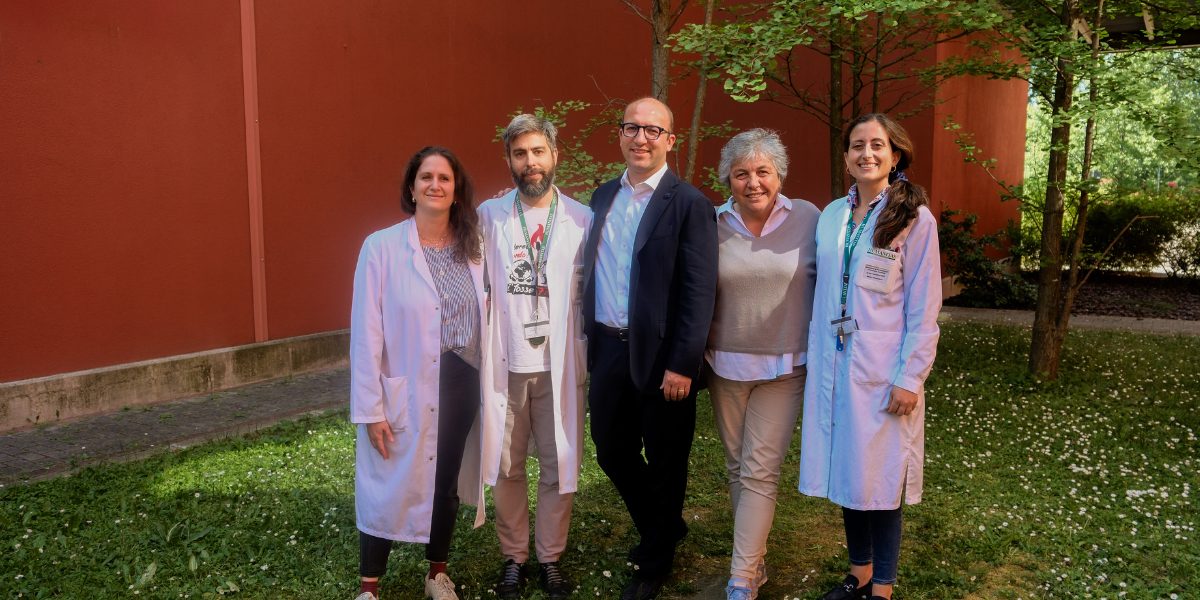
The research was coordinated by Charlotte Ng, Associate Professor at Humanitas University and head of the Computational Biology Laboratory at Humanitas Research Hospital, together with Salvatore Piscuoglio, Associate Professor at the same University and head of the Precision Medicine Laboratory at Humanitas. The study was developed in collaboration with the University of Basel, Switzerland, and with the support of the Pathology Unit at Humanitas Research Hospital, particularly Luigi Maria Terracciano, Scientific Director of Humanitas Research Hospital and Rector of Humanitas University. The findings redefine the biological understanding of multifocal HCC and open new perspectives for personalised therapeutic strategies.
Two distinct evolutionary trajectories
To investigate the origin of multiple hepatic nodules, researchers conducted a multi-omics analysis of 76 tumor biopsies. Multi-omics integrates multiple layers of biological information, including genetic mutations, gene expression profiles, and tumor microenvironment characteristics, to create a comprehensive molecular map of the disease.
“Multi-omics analysis allowed us to identify genetic and molecular differences between nodules that until now appeared similar,” explains Charlotte Ng. “This way, we can distinguish tumors deriving from a single founding cell from those that develop independently from each other, providing a much more precise view of the disease’s biology.”
The study identified two main evolutionary trajectories. In the first scenario, related to intrahepatic metastases (IM), researchers observed how all nodules originate from a single “mother” tumor cell that spreads within the liver to generate secondary lesions. These tumors share common genetic alterations, for example mutations in the PTEN or ARID1A genes, suggesting that, in some patients, a single targeted therapy could potentially be effective against all lesions in the same patient. Furthermore, these foci show more aggressive clinical and molecular features, such as increased vascular invasion and cell proliferation, and alteration in the immune system: CD8+ T cells, which play a key role in tumor control, appear “exhausted,” with reduced capacity to eliminate malignant cells.
In the second scenario, each nodule develops independently in a liver already compromised by chronic inflammation or cirrhosis: in this case a multicentric origin (MO) took place. Indeed, researchers noted that in this context lesions present distinct genetic profiles, showing high molecular heterogeneity, suggesting that they do not derive from one another. Differences between nodules can be so marked that they appear as tumors from different patients: this makes examining a single tumor nodule insufficient to describe the full disease. However, the study identified some shared signaling pathways, particularly involving kinases, which could serve as common therapeutic targets.
The role of the liver microenvironment and Precision Medicine
Beyond tumor cells, the researchers also examined the tumor microenvironment, the portion of liver tissue that surrounds the nodules and that includes immune cells, structural components, and molecular signals that can influence tumor growth.
The findings indicate that a fibrotic and inflamed liver provides a fertile ground for the independent emergence of new nodules (MO), while a microenvironment characterized by a lower degree of fibrosis and inflammation could be more prone to the diffusion of metastases (IM). This confirms that the development and evolution of multifocal HCC is not determined solely by tumor cells but also by the surrounding biological ecosystem.
“Our work shows that the state of the liver, and in particular, the degree of inflammation and fibrosis, can guide the evolutionary path of tumors,” emphasizes Salvatore Piscuoglio. “These insights are essential for precision medicine: understanding the biological context in which tumors grow helps us design therapies tailored to each patient.”
Clinical implications and future perspectives
Overall, the study demonstrates that multifocal hepatocellular carcinoma is not a single biological entity but a spectrum of diseases with distinct evolutionary origins. This distinction has important clinical implications: in cases of intrahepatic metastases, therapies targeting cell cycle dysregulation or shared genetic alterations may be effective across all nodules, while in cases of multicentric origin, a broader diagnostic approach is needed to capture tumor heterogeneity and guide treatment decisions.
The study indicates that distinguishing the evolutionary origin of multifocal HCC may allow for more precise patient stratification, paving the way to the development of truly personalized therapeutic strategies. A significant step forward in precision medicine for liver cancer.