Customize Consent Preferences

We use cookies to help you navigate efficiently and perform certain functions. You will find detailed information about all cookies under each consent category below.

The cookies that are categorized as "Necessary" are stored on your browser as they are essential for enabling the basic functionalities of the site. ... 

Always Active

Necessary cookies are required to enable the basic features of this site, such as providing secure log-in or adjusting your consent preferences. These cookies do not store any personally identifiable data.

Functional cookies help perform certain functionalities like sharing the content of the website on social media platforms, collecting feedback, and other third-party features.

Analytical cookies are used to understand how visitors interact with the website. These cookies help provide information on metrics such as the number of visitors, bounce rate, traffic source, etc.

Performance cookies are used to understand and analyze the key performance indexes of the website which helps in delivering a better user experience for the visitors.

Advertisement cookies are used to provide visitors with customized advertisements based on the pages you visited previously and to analyze the effectiveness of the ad campaigns.

Other cookies are those that are being identified and have not been classified into any category as yet.

Science for Peace International Conference 10th Edition


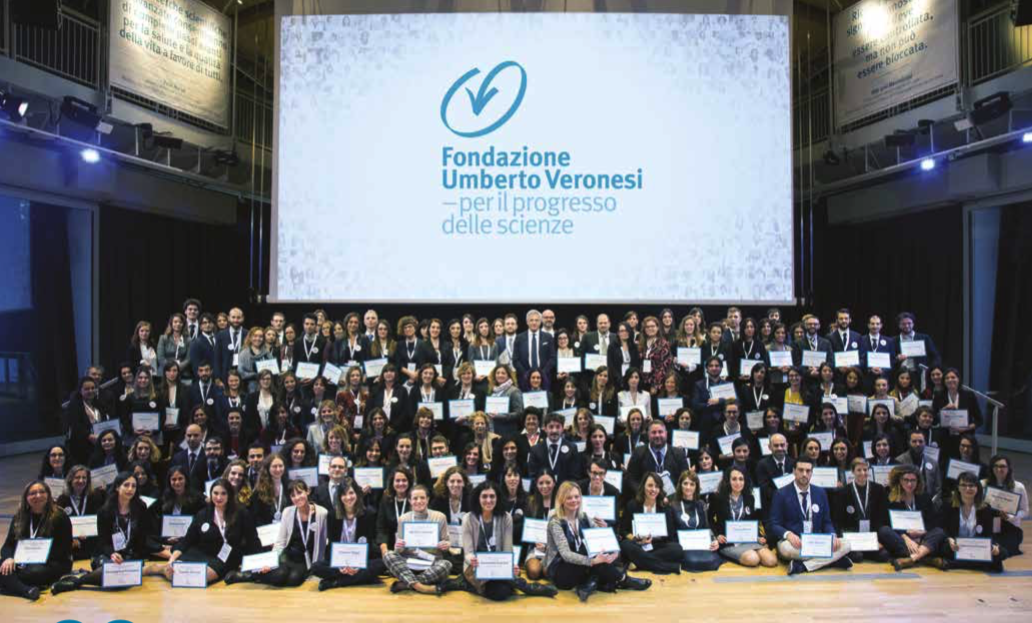
On 15th and 16th November, Prof. Alberto Mantovani attended the 10th edition of the world conference “Science for peace” organized by the Veronesi Foundation. This year’s theme was “Global Inequalities”.

The aim of the conference is to spread the culture of overcoming tensions between states by educating for peace. Over the two days, the most relevant current topics were explored starting from analysing their relation with science, research and critical thinking.

Prof. Mantovani was a speaker in the session “In Search of New Models: Policies to Fight Inequalities”, illustrating the challenges to be faced and the important contribution of immunology.

“The weapons of immunology, and in particular vaccines – Mantovani explained – have changed human health on the planet, eradicating or controlling diseases such as smallpox and tuberculosis, just to name a few, that in the last century claimed millions of victims. Nowadays, they are contributing to the fight against cancer, flanking the traditional treatment approaches of surgery, chemotherapy and radiotherapy, and targeted therapies. However, we cannot and must not be satisfied. We are still at the beginning of the battle against cancer, and we must deepen our studies to fully exploit the therapeutic potential that these weapons have begun to show.

At this point, the real challenge is not only to share these weapons in the fight against cancer, which is a forgotten, rapidly growing epidemic in the poorest countries of the planet, but also in the battle against diseases that can be prevented by vaccines. Even today, 1.5 million children under the age of 5 die every year because they do not have access to the most basic vaccines and with one in five children having no access to basic vaccines.”
HUMANITAS GROUP

Humanitas is a highly specialized Hospital, Research and Teaching Center. Built around centers for the prevention and treatment of cancer, cardiovascular, neurological and orthopedic disease – together with an Ophthalmic Center and a Fertility Center – Humanitas also operates a highly specialised Emergency Department.