
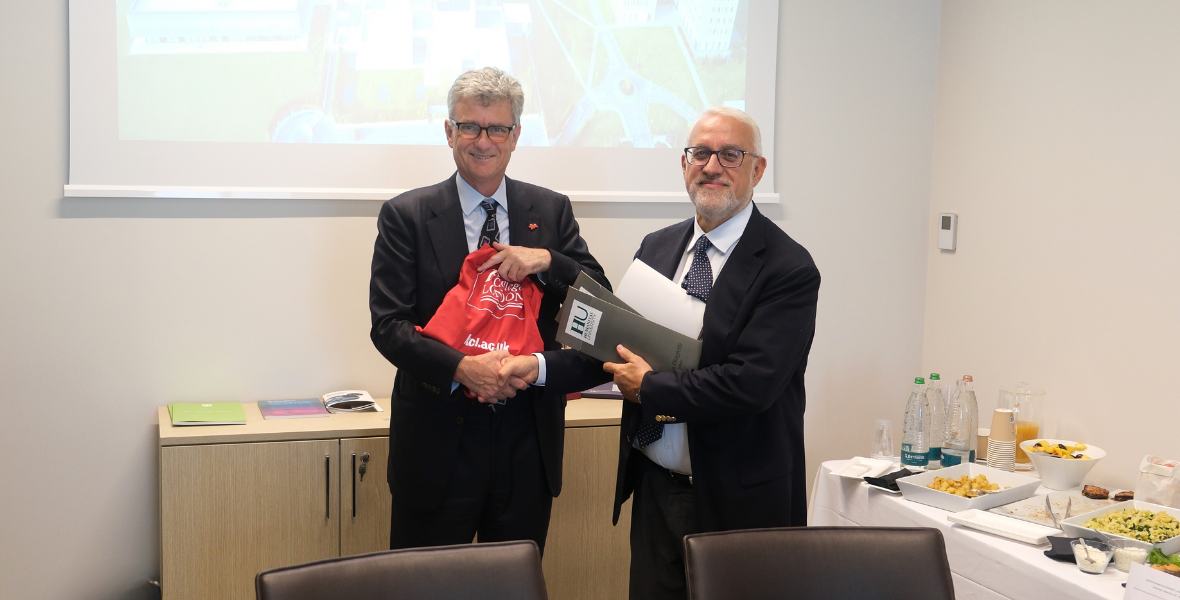
Humanitas University and King’s College London have launched a prestigious academic collaboration, aimed at strengthening ties between two universities of excellence in the field of education and scientific research.
“The agreement between our university and King’s College follows the fundamental principles that define the vision of Humanitas University, such as the pursuit of excellence, internationalisation, and interdisciplinarity” – explains Prof. Luigi Maria Terracciano, Rector of Humanitas University – thereby opening important opportunities for students and researchers.
The objectives of the partnership
The partnership is structured around three main directions:
- The development of exchange programs for undergraduate students;
- The evaluation of double degree pathways, which will allow students to obtain a joint qualification issued by both universities;
- The creation of joint working groups to launch research collaborations.
Priority research areas
The collaboration aims to:
- Explore the use of Artificial Intelligence to improve personalized medicine;
- Expand understanding and treatment of tumours, hematologic malignancies, and other diseases with a high social impact;
- Deepen the role of immunology in the pathophysiology, progression, and treatment of oncological diseases.
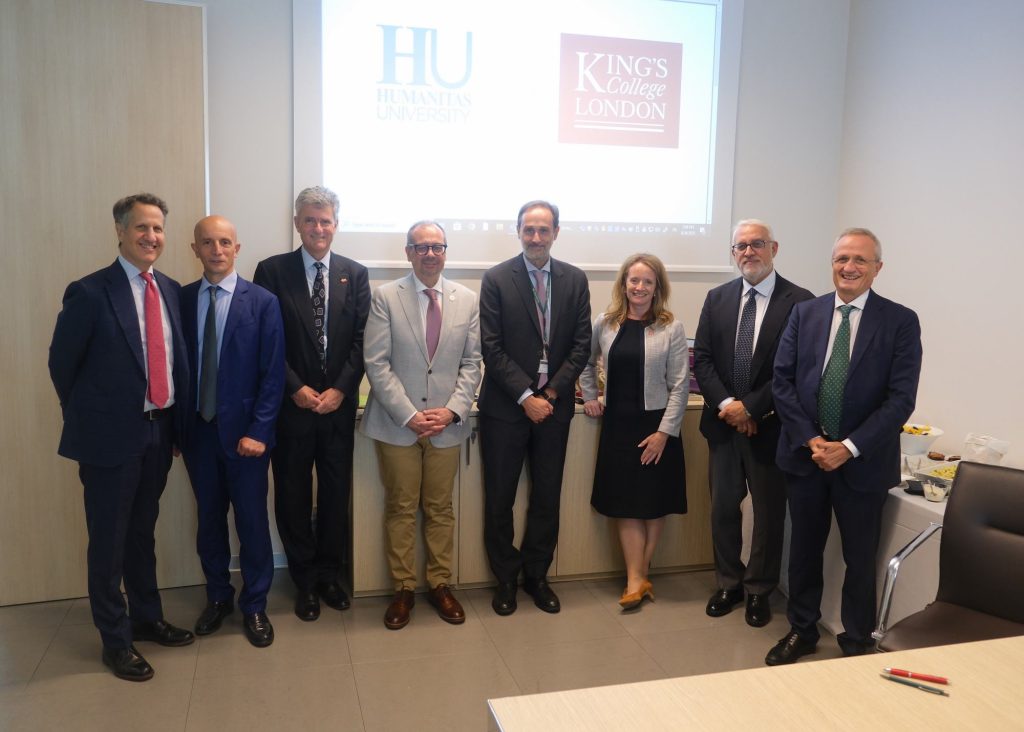
At Humanitas University, the initiative is led by Prof. Matteo Della Porta, supported by Professors Alessio Aghemo, Carmelo Carlo-Stella, Ana Lleo, and Luca Di Tommaso. The already existing collaboration between the two institutions has created a solid foundation for a project designed to integrate expertise, resources, and visions on an international scale.
This alliance will not only enrich the educational opportunities available to students, broadening their professional and cultural horizons, but also stimulate joint research in cutting-edge fields. An agreement that demonstrates how collaboration between leading universities can generate shared value, fostering the exchange of ideas and scientific progress.