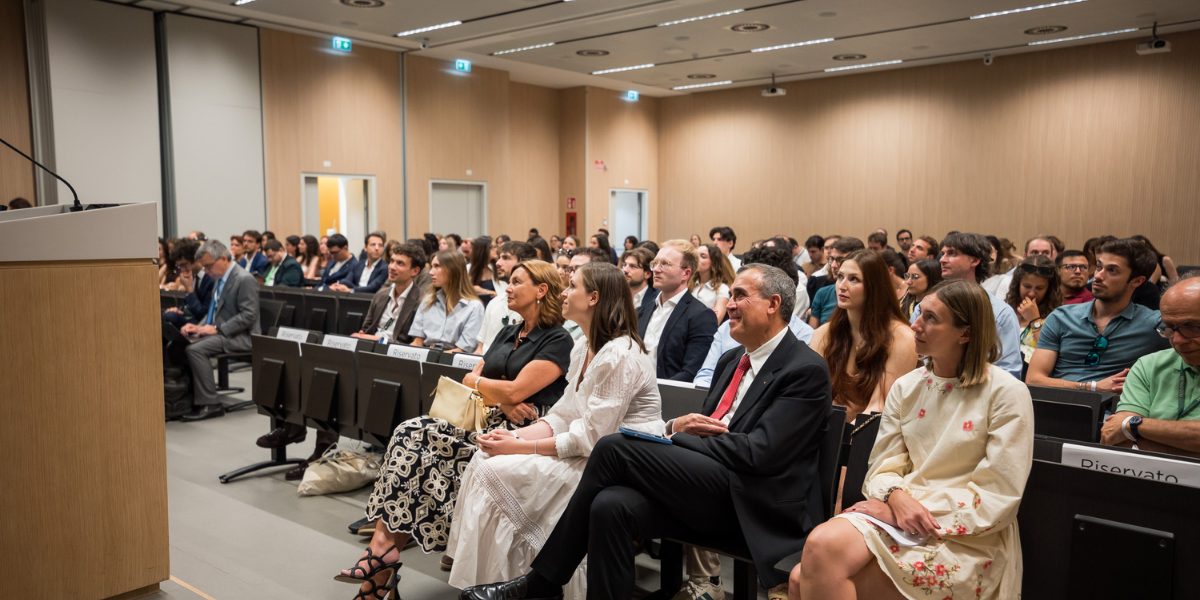

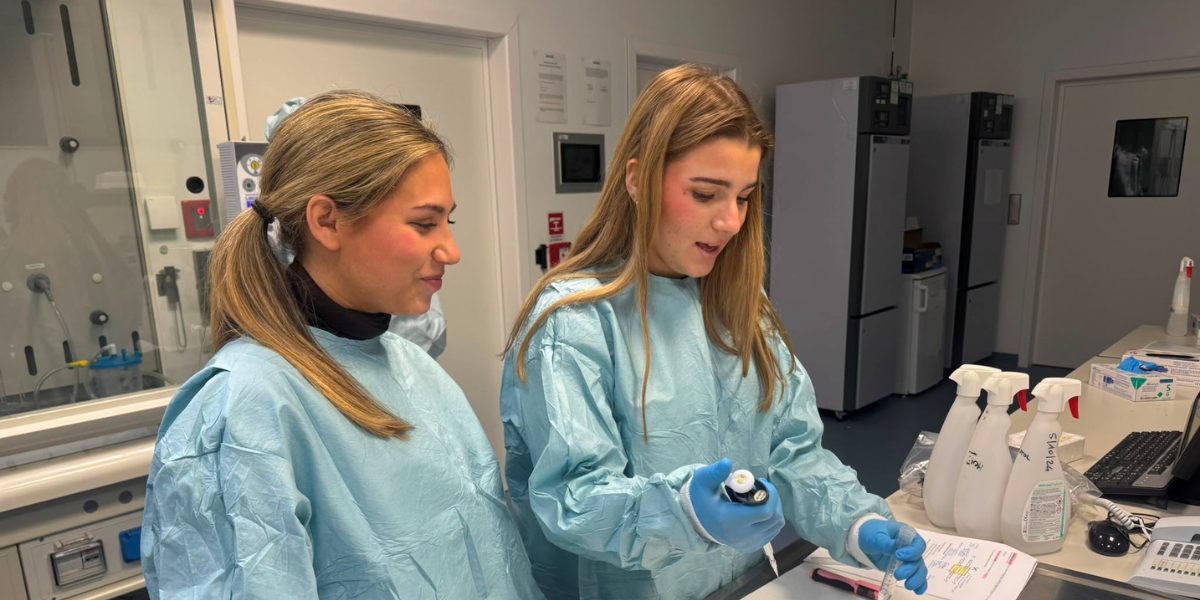
On 15 June, an event was held to share the outcomes of the educational and laboratory-based activities of the Life Science Programme, the four-year scientific high school programme developed through the collaboration between Humanitas University and Collegio San Carlo in Milan. The event retraced the activities carried out over the past two years, involving students in their third and fourth year – the first to complete the new high school pathway.
The activities were coordinated by Simona Lodato, professor of Anatomy and Histology at Humanitas University, and Riccardo Sarti, data analyst at the University, who have followed the programme’s development since its earliest stages. Structured around nine experiences dedicated to medical biotechnology, the programme was designed to integrate with the students’ educational path, offering them direct exposure to biomedical research through practical activities carried out in the University’s laboratories.
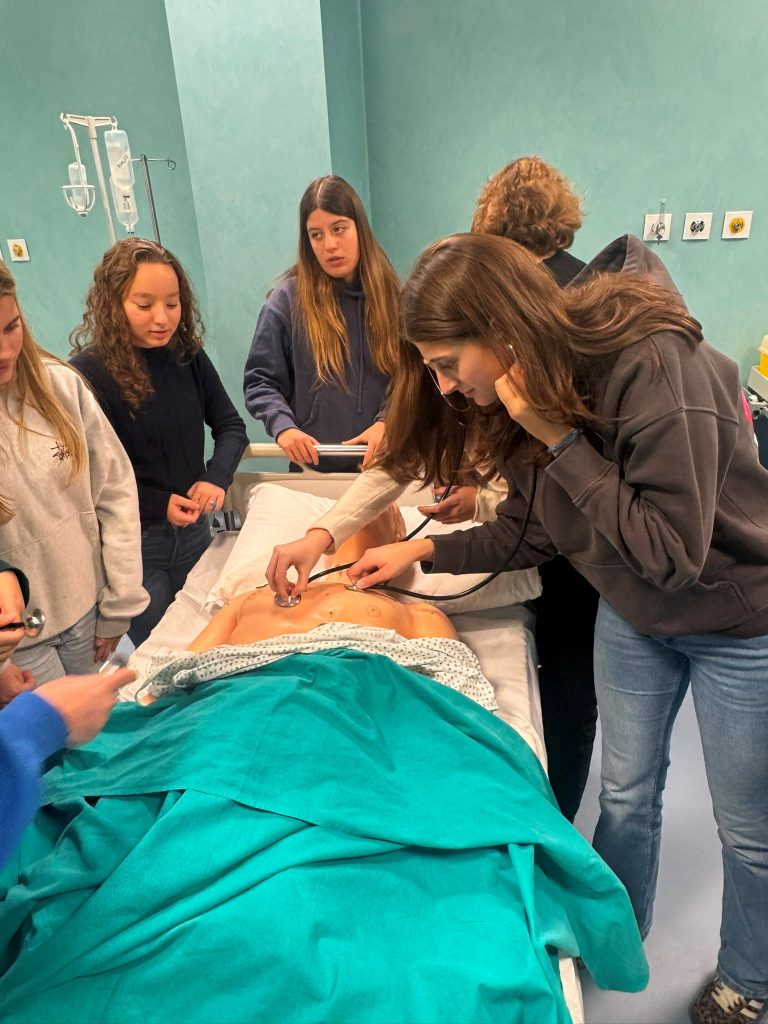
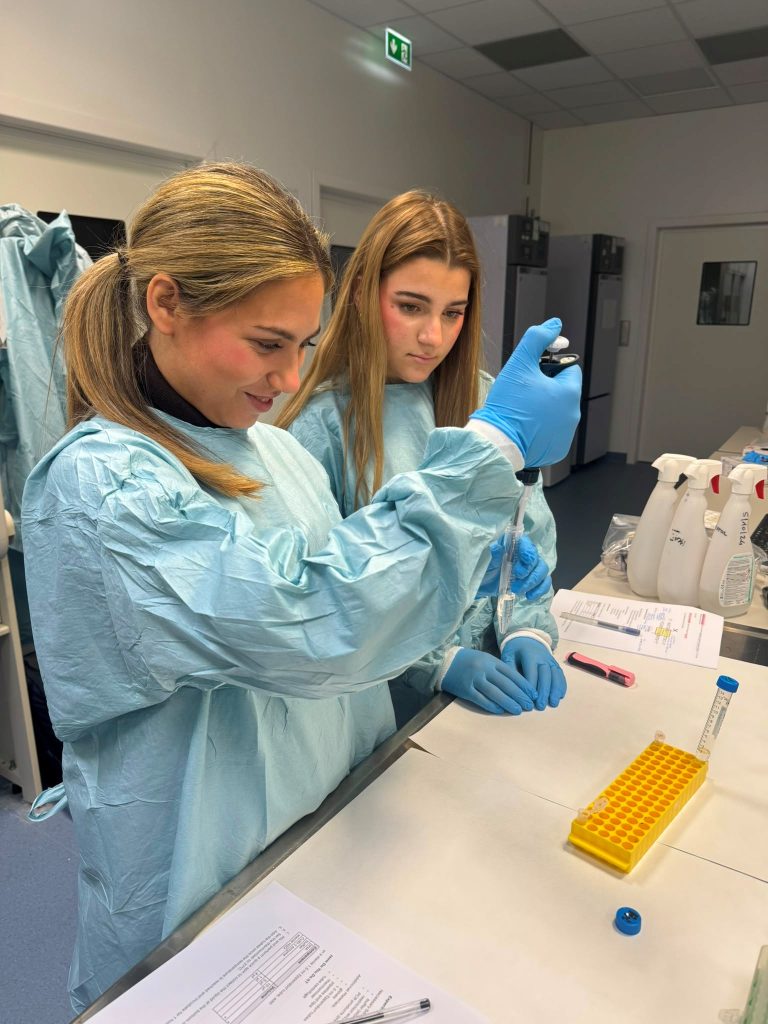
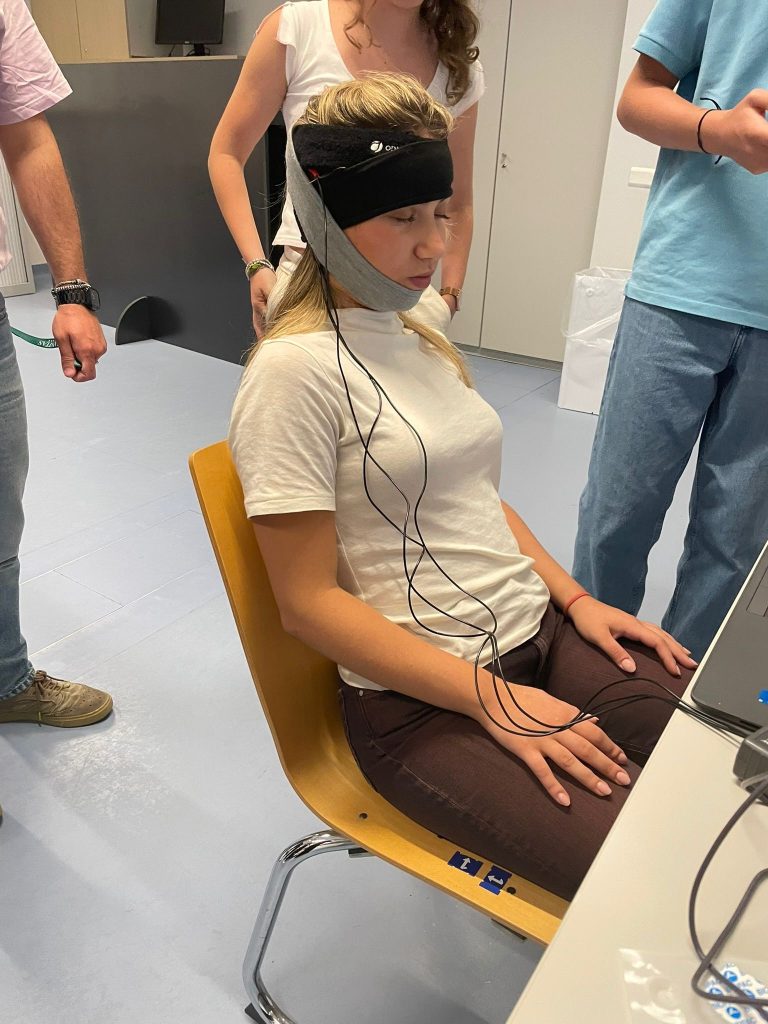
Combining theoretical lessons with hands-on experiences in the University’s facilities, the activities explored several areas of the life sciences: from the chemistry of reactions to the preparation of histological samples and their visualisation through high-resolution digital imaging platforms; from the interpretation of family trees to the 3D printing of anatomical phantoms; from the management of high-risk infectious samples – explored through augmented reality headsets – to the reconstruction of the human body using digital anatomy tables.
The Life Science Programme involved several members of the Faculty and research community of Humanitas University and Humanitas Research Hospital, with the support of experienced Humanitas professionals who contributed to the organisation and safe delivery of the activities. PhD students and technical-scientific staff at the University also played an important role, supporting the students not only as technical guides, but also as peer mentoring figures – a formative element that was particularly appreciated by the students.
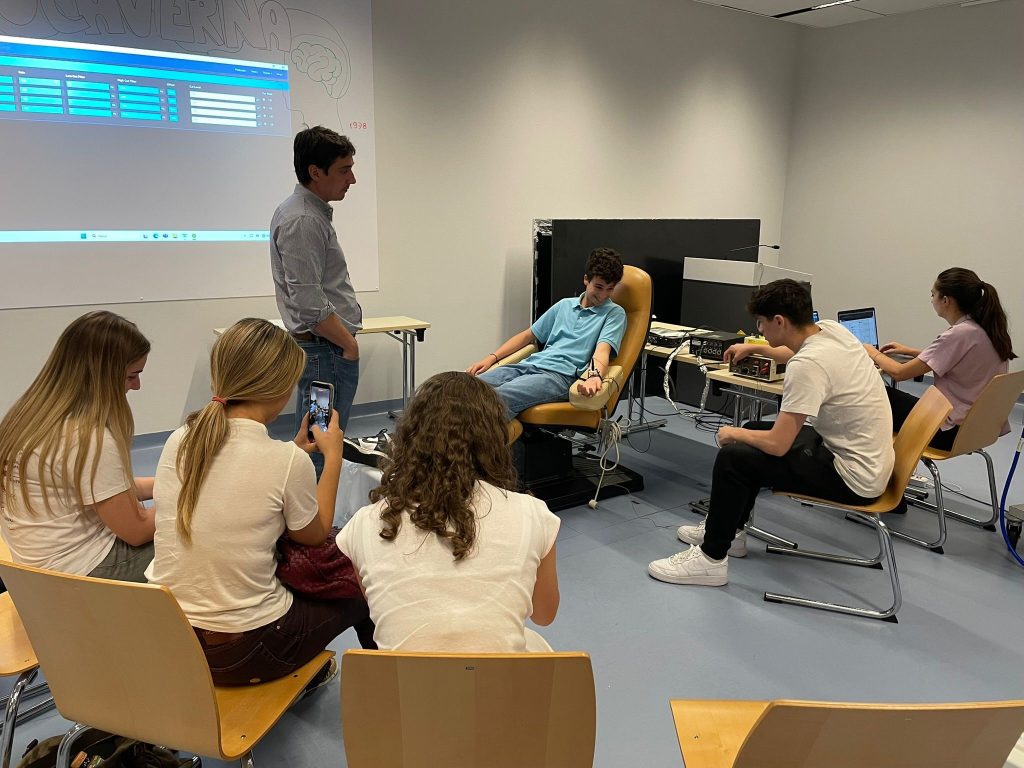
“The value of this initiative lies in building a long-term vision, capable of creating a stable bridge between school, university and research, offering students not only scientific content, but real experiences in contact with biomedical research,” said Alessio Aghemo, professor and Director of the Department of Biomedical Sciences at Humanitas University.
From this perspective, the fourth-year programme culminated in an orientation day dedicated to what it means to pursue a university and professional path in medicine, focusing not only on scientific skills, but also on the responsibility, method and awareness required to approach this field.
“The collaboration with Humanitas University has offered a concrete orientation opportunity for our students,” said Antonella Sacchi, Head of Collegio San Carlo. “An opportunity to enter laboratories, meet professors and researchers, and gain a closer understanding of what it means to approach medicine, research and care.”