



3D Innovation Lab
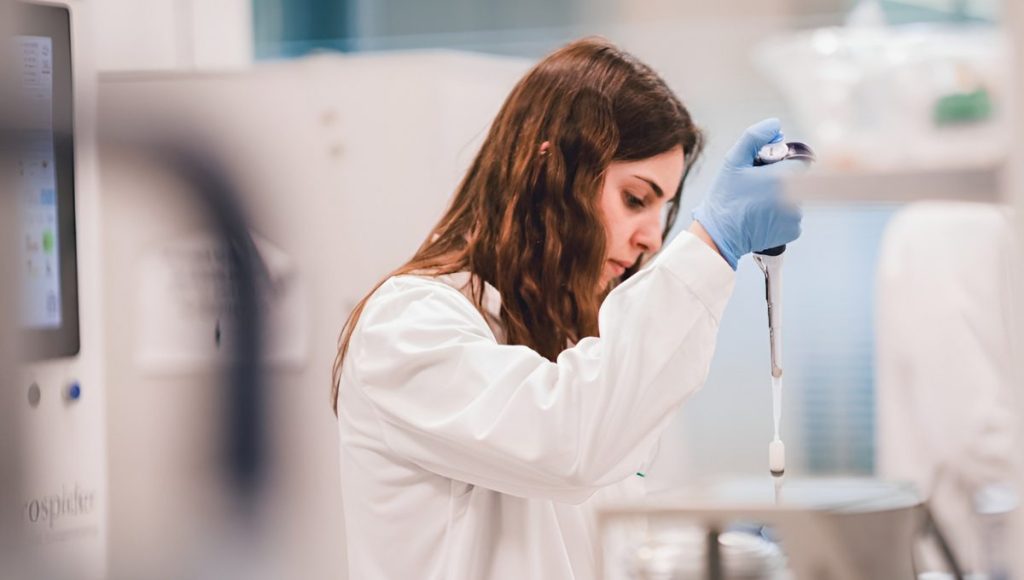
Based in the Roberto Rocca Innovation Building, the 3D Innovation Lab is a collaborative hub where clinical expertise, scientific research, and academic training converge through the use of advanced 3D printing technologies.
It aims at promoting the cross-contamination among Hospital, Research, University and BioTech Companies, while fostering personalised medicine solutions through additive manufacturing techniques. Its mission is to transform scientific discoveries into real, applicable solutions.



The challenge
Additive manufacturing, or 3D printing, is revolutionising medicine and life sciences with its potential to bridge tissue engineering research and regenerative medicine, create realistic phantoms for preclinical training, and replicate human tissue structures at both macro and nano scales.
Clinical Needs
- Revolutionising surgical preparation and execution through the production of patient-specific anatomical models. These models are meticulously crafted to reflect the unique anatomical features of each patient, providing surgeons with invaluable insights and enhancing their ability to plan and execute procedures with unparalleled precision.
- Creating cutting guides tailored to support complex surgical interventions. These custom guides are designed to improve surgical accuracy, reduce operation time, and ultimately enhance patient outcomes.
Advanced Training Phantoms
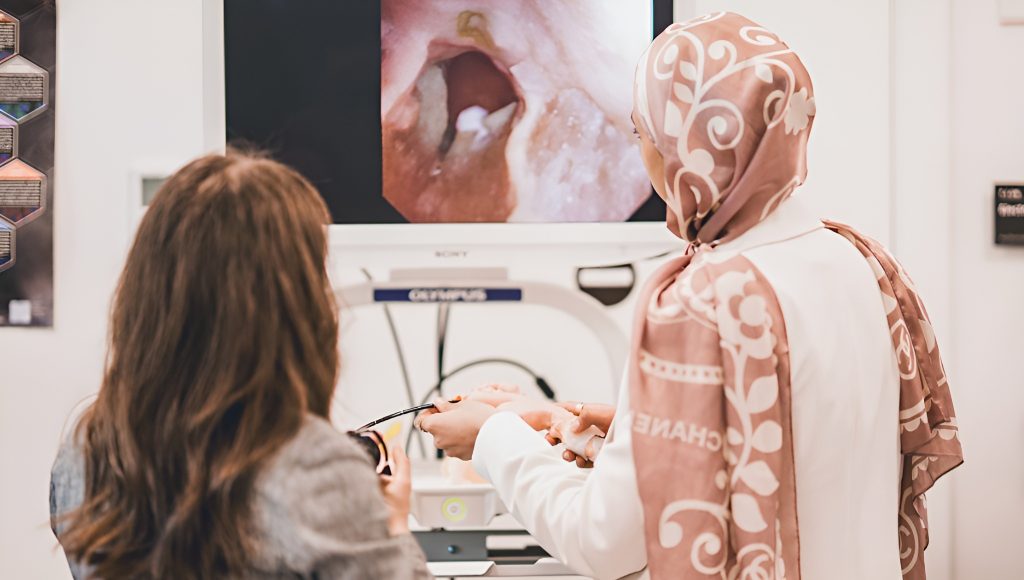
- High-fidelity models replicating the intricate details of both normal and diseased tissues. These models are essential for training healthcare professionals in various procedures, from basic diagnostic techniques to complex surgical interventions.
- Trainees gain hands-on experience that closely mirrors real-life scenarios, by means of the realistic texture and anatomical accuracy of phantoms.
- Pushing the boundaries of medical training and supporting the continuous development of healthcare professionals worldwide by bridging the gap between theoretical knowledge and practical application.
Tissue Engineering and Biofabbrication
- Advancing the field of tissue engineering through the biofabrication of scaffolds able to mimic the physical and mechanical properties of human tissues, at both macro and nanoscale levels.
- Using a range of innovative biofabrication techniques, including advanced 3D printing technologies, to precisely control the composition, architecture, and mechanical properties of the scaffolds.
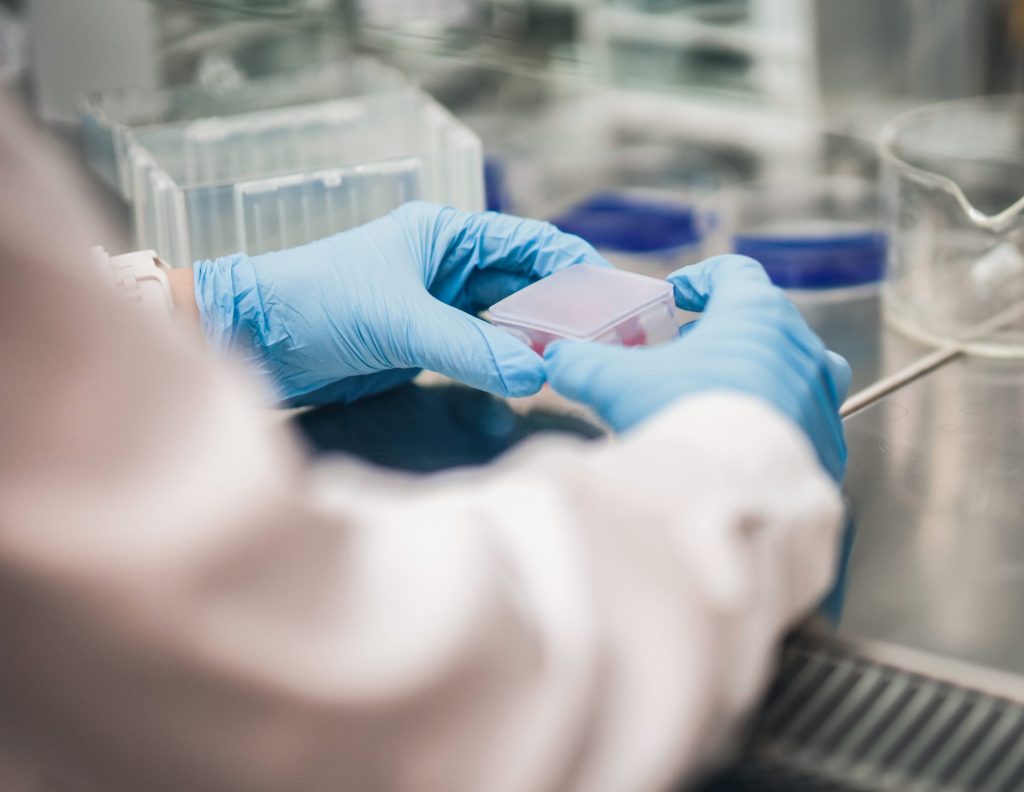
- Extrusion of hydrogels that contain living cells, which allows us to create bioactive constructs that support cell viability and function. Constructs have wide-ranging potential applications in regenerative medicine, drug delivery, and disease modelling.